Introduction
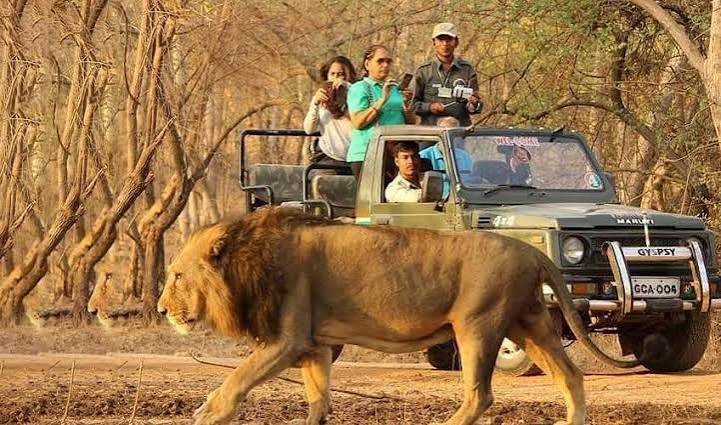
A wildlife safari is an opportunity to experience nature at its most exciting. From watching a Bengal tiger move quietly through the forest to spotting elephants near a waterhole or observing colourful birds in the trees, every safari offers a chance to discover something extraordinary.
However, a comfortable and enjoyable wildlife safari begins long before you enter the forest. Packing the right essentials can make a significant difference, especially when you are travelling through national parks and wildlife sanctuaries in India, where temperatures, terrain and safari conditions can vary considerably.
Whether you are planning a tiger safari in Ranthambore, exploring the forests of Jim Corbett, visiting Kanha National Park or heading to the wilderness of Kaziranga, knowing what to carry and what to leave behind will help you prepare better.
This wildlife safari packing list covers everything you need, including clothing, footwear, photography equipment, personal essentials and important items that should stay out of your safari bag.
Why Is a Wildlife Safari Packing List Important?
A wildlife safari is different from a regular sightseeing holiday. You may spend several hours in an open jeep or safari vehicle, travel along dusty forest tracks, experience chilly early mornings or encounter unexpected changes in the weather.
Facilities inside protected forest areas can also be limited. You may not have easy access to shops, charging points or medical supplies during your safari.
A well-planned packing list helps you:
Stay comfortable during long safari drives.
Protect yourself from sun, dust and changing temperatures.
Carry essential medicines and personal supplies.
Capture wildlife photographs more effectively.
Avoid unnecessary luggage and restricted items.
Follow responsible wildlife tourism practices.
The goal is not to carry everything you own. It is to pack thoughtfully, keeping comfort, safety and wildlife conservation in mind.
1. Clothing to Carry on a Wildlife Safari
Choosing the right clothing is one of the most important parts of preparing for a safari.
Neutral-Coloured Clothes
Choose comfortable clothing in earthy, neutral shades such as beige, olive green, brown, khaki and muted grey. These colours are practical for outdoor environments and photography.
Avoid relying on bright, flashy outfits when visiting wildlife areas. Neutral clothing is generally a sensible choice for reducing visual disturbance, although it does not guarantee that wildlife will approach or remain undisturbed.
Pack:
Two or three comfortable T-shirts or full-sleeved shirts.
Lightweight trousers or trekking pants.
A light jacket or fleece for early-morning safaris.
A cap or hat for sun protection.
Comfortable undergarments and socks.
A compact rain jacket during the monsoon or wet season, where appropriate.
Full-Sleeved Shirts and Trousers
Full-sleeved clothing can protect your skin from sunlight, dust, insects and scratches. Lightweight, breathable fabrics are ideal for warm destinations, while quick-drying materials can be useful in humid regions.
Avoid very tight clothing that restricts movement, particularly if you expect to spend several hours seated in a safari vehicle.
Warm Layers for Early-Morning Safaris
Many Indian national parks offer morning safaris that begin around sunrise. During winter, temperatures can be surprisingly low, particularly in central India and the Himalayan foothills.
Carry a warm jacket, a thin fleece layer and a scarf or neck gaiter if you are travelling during colder months.
Layering is usually better than carrying one extremely heavy jacket because you can adjust your clothing as the temperature changes.
Travel tip: Always check the local forecast and the park's seasonal conditions before departure. A winter safari in Madhya Pradesh requires different preparation from a humid summer safari in Assam.
2. Footwear and Accessories
Your footwear should prioritise comfort rather than appearance.
What Footwear Should You Carry?
For a standard jeep safari, comfortable closed-toe shoes or sturdy walking shoes are usually sufficient. If your itinerary includes guided nature walks in permitted areas, comfortable walking or hiking shoes may be more suitable.
Pack:
Comfortable walking shoes.
Extra socks.
Sandals or slippers for your accommodation.
A lightweight rain cover for footwear if wet conditions are expected.
Avoid brand-new shoes that have not been broken in. They can cause discomfort during transfers, walks around your lodge or other activities outside the safari vehicle.
Useful Accessories
A few small accessories can make your safari more enjoyable:
Sunglasses with UV protection