Introduction: When Should You Plan a Wildlife Safari in India?
India is a remarkable destination for wildlife enthusiasts, offering everything from Bengal tigers and Asiatic lions to one-horned rhinoceroses, wild elephants, leopards, crocodiles, and colourful migratory birds. Its diverse landscapes include dense forests, grasslands, wetlands, mountains, and mangrove ecosystems, creating opportunities for unforgettable wildlife experiences throughout the year.
However, choosing the right season can make a significant difference to your safari. Weather conditions, vegetation, water availability, animal behaviour, and park operating schedules all influence what you might experience during a visit.
So, what is the best time for wildlife safari in India?
For many popular tiger reserves and forest parks, October to June is the main safari season, although opening dates and permitted zones vary by destination. October to February is generally ideal for comfortable weather, birdwatching, and scenic forest landscapes. March to June can offer better wildlife visibility in some dry deciduous forests, although temperatures may become extremely hot.
Whether you dream of spotting a tiger in Madhya Pradesh, watching lions in Gujarat, observing elephants in Karnataka, or photographing rhinoceroses in Assam, understanding the seasons will help you plan a more rewarding journey.
Understanding the Best Seasons for Wildlife Safari in India
India's wildlife calendar can be divided into three broad seasons: winter, summer, and monsoon. Each offers a different experience, depending on the destination and species you hope to see.
1. Winter: October to February
Winter is one of the most comfortable periods for exploring India's wildlife destinations. Temperatures are generally pleasant during the day, although early morning safaris can be chilly, particularly in northern and central India.
Forests begin recovering from the monsoon, and many landscapes look lush and green. This season is particularly attractive to families, first-time safari travellers, birdwatchers, and photographers who prefer cooler conditions.
Why visit during winter?
Enjoy comfortable weather for jeep safaris.
Explore forests with fresh greenery and attractive landscapes.
Look for resident and migratory bird species in suitable habitats.
Combine wildlife experiences with nearby cultural and nature destinations.
Enjoy outdoor activities without the intense heat of late spring.
Best destinations to consider: Kanha, Pench, Bandhavgarh, Ranthambore, Satpura, and selected wildlife areas in Karnataka.
Keep in mind that dense vegetation and abundant water can sometimes make mammals harder to spot than during the drier months.
2. Summer: March to June
Summer is often favoured by travellers whose main priority is spotting large mammals, especially in central India's dry deciduous forests.
As temperatures rise and natural water sources become more limited in some areas, animals may visit waterholes more frequently. Thinner vegetation can also improve visibility along forest tracks and grasslands.
However, wildlife sightings are never guaranteed. Animal movements depend on weather, habitat, food availability, and many other natural factors.
Why visit during summer?
Potentially better visibility in dry forests.
Opportunities to observe animals near water sources.
Attractive conditions for wildlife photography in some reserves.
A popular season for dedicated tiger enthusiasts.
Best destinations to consider: Tadoba-Andhari, Kanha, Bandhavgarh, Pench, Panna, and Ranthambore, subject to local operating schedules.
Temperatures can become particularly high in April and May. Carry sufficient drinking water, wear lightweight clothing, follow your guide's instructions, and avoid planning strenuous outdoor activities during the hottest hours.
3. Monsoon: July to September
The monsoon transforms many Indian forests into vibrant green landscapes. Rivers, streams, grasslands, and wetlands receive fresh water, creating beautiful scenery and supporting a wide variety of wildlife.
However, many popular national parks and tiger reserves restrict or suspend tourism in their core zones during this period. The exact closure dates vary, and some buffer zones or other protected areas may permit limited activities.
Why consider a monsoon wildlife trip?
Experience lush landscapes and rejuvenated forests.
Enjoy nature-focused holidays in destinations that permit seasonal visits.
Explore birdwatching locations and wetlands where conditions are suitable.
Experience a quieter side of nature away from peak safari crowds.
The monsoon is not usually the easiest season for conventional tiger safaris in central India. Thick vegetation, rain, muddy roads, and seasonal closures can affect accessibility and visibility.
Always verify the current opening status of your chosen sanctuary before booking.
Month-by-Month Guide to Wildlife Safari in India
The following calendar offers a general planning overview. Actual conditions depend on the region, rainfall, park rules, and the wildlife you want to observe.
| Month | What to Expect | Best Suited For |
|---|---|---|
| January | Cool weather and attractive forest landscapes | Families, birdwatchers, nature lovers |
| February | Comfortable weather in many regions | General wildlife exploration |
| March | Rising temperatures and improving visibility in some forests | Tiger enthusiasts, photographers |
| April | Hotter conditions and potentially stronger mammal visibility | Dedicated wildlife travellers |
| May | Intense heat, with animals sometimes visiting water sources | Experienced safari enthusiasts |
| June | Hot weather and changing seasonal schedules | Early-summer safaris where permitted |
| July | Monsoon greenery and widespread seasonal restrictions | Nature trips in suitable open areas |
| August | Rainy landscapes and lush vegetation | Monsoon scenery and selected birding trips |
| September | Transition towards the end of the monsoon | Planning ahead for the safari season |
| October | Many parks begin reopening after the rains | First safaris of the season |
| November | Pleasant weather in many destinations | Families, couples, photographers |
| December | Popular holiday period and cooler mornings | Winter wildlife holidays |
Important: This calendar is a broad guide, not a guarantee of park access. Some reserves open earlier or later, and individual safari zones may have different rules.
Best Time to Visit India's Top Wildlife Sanctuaries and National Parks
India has numerous protected areas, each offering a distinctive landscape and wildlife experience. Here are some of the best-known destinations to consider when planning your trip.
1. Kanha National Park, Madhya Pradesh
Kanha is known for its sal forests, open meadows, rich biodiversity, and the hard-ground barasingha, also known as the swamp deer.
The park is an excellent choice for travellers interested in tigers, deer, wild dogs, gaur, and birdlife.
Best time to visit: October to June, subject to seasonal operations.
October to February is suitable for comfortable weather and beautiful landscapes. March to June can offer improved visibility in certain areas, although the heat can be intense.
Kanha is a particularly rewarding option for travellers seeking a classic central Indian jungle safari.
2. Bandhavgarh National Park, Madhya Pradesh
Bandhavgarh is widely associated with tiger safaris and its dramatic forest scenery. Its mix of woodland, grassland, rocky terrain, and historical surroundings creates an engaging wildlife experience.
Best time to visit: Generally October to June, depending on zone availability and park rules.
The cooler months are ideal for enjoying the forest comfortably, while the hotter months can provide better visibility in some areas.
Plan more than one safari if your schedule allows, and remember that no park can guarantee a tiger sighting.
3. Pench National Park, Madhya Pradesh and Maharashtra
Pench is celebrated for its teak forests, varied terrain, and connection with the landscape that inspired Rudyard Kipling's The Jungle Book.
Visitors may encounter deer, gaur, wild dogs, leopards, and, with luck, tigers.
Best time to visit: October to June in many safari zones.
November to February is appealing for comfortable temperatures and scenic drives. March to May can be attractive for wildlife enthusiasts who can manage the heat.
Pench is worth considering for couples, families with older children, and travellers looking to combine wildlife with a relaxing nature holiday.
4. Ranthambore National Park, Rajasthan
Ranthambore combines dry forests, lakes, rocky hills, and the remains of the historic Ranthambore Fort. Its distinctive landscape makes it popular with wildlife photographers and visitors interested in tigers.
Best time to visit: Commonly October to June, depending on seasonal park schedules and zone availability.
Winter is generally more comfortable for exploring the reserve. The warmer months may offer improved visibility in some areas, but summer temperatures can be demanding.
Because safari access is regulated, check the availability of your preferred zone and book through the authorised system.
5. Tadoba-Andhari Tiger Reserve, Maharashtra
Tadoba is a popular destination for travellers who want to focus on tiger safaris. Its forests, bamboo thickets, meadows, and water bodies support a variety of mammals and birds.
Best time to visit: Generally October to June in permitted zones.
March to May is often considered attractive for wildlife photography because of drier conditions and potentially improved visibility. November to February is preferable for travellers who want to avoid extreme heat.
Check the official reserve booking system for current zone operations and seasonal restrictions.
6. Jim Corbett National Park, Uttarakhand
Jim Corbett is known for its forested hills, riverine habitats, grasslands, elephants, and diverse birdlife. The wider Corbett landscape offers a different experience from the drier tiger reserves of central India.
Best time to visit: The ideal period depends on the tourism zone and the activity you plan.
Some zones have different operating seasons, and certain areas may be accessible when others are closed. Winter is appealing for birdwatching and comfortable weather, while other permitted periods may suit travellers interested in mammals and forest landscapes.
Confirm zone-specific dates before finalising accommodation and transport.
7. Kaziranga National Park, Assam
Kaziranga is internationally recognised for its greater one-horned rhinoceros population. Its grasslands, wetlands, and floodplain habitats also support wild water buffalo, elephants, deer, and abundant birdlife.
Best time to visit: Generally from the post-monsoon reopening period through spring, subject to official schedules and flood conditions.
November to February is particularly appealing for comfortable weather and birdwatching. March and April can also be rewarding, although temperatures rise.
Because seasonal flooding can affect accessibility and opening dates, confirm the latest information before travelling.
8. Gir National Park and Wildlife Sanctuary, Gujarat
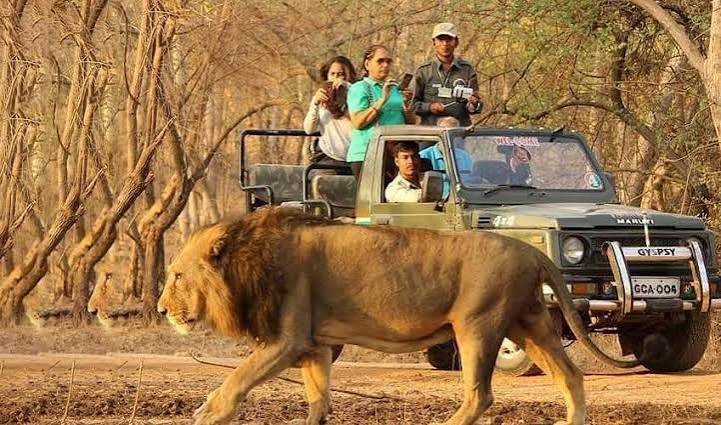
Gir is the best-known destination for observing Asiatic lions in their natural habitat. Its dry deciduous forests, scrubland, and watercourses support other mammals and numerous bird species.
Best time to visit: Generally October to May or June, depending on the official seasonal calendar.
November to February is comfortable for many travellers, while the hotter months can offer a different wildlife-viewing experience.
Gir's tourism calendar can include a seasonal closure during the monsoon. Check the official booking information before arranging your visit.
9. Periyar Tiger Reserve, Kerala
Periyar offers a distinctive wildlife experience centred on evergreen and moist deciduous forests, hills, and a large reservoir. It is known for elephants, birdlife, and scenic nature activities.
Best time to visit: The cooler and drier months are often attractive, but activities operate according to their own schedules and weather conditions.
Consider Periyar if you want to combine wildlife with a broader Kerala holiday, including hill stations, local food, and cultural experiences.
Unlike a conventional jeep safari destination, Periyar is also associated with guided nature activities and selected boating experiences, subject to current availability.
10. Sundarbans National Park, West Bengal
The Sundarbans is a remarkable mangrove ecosystem of tidal waterways, islands, mudflats, and dense coastal vegetation. It is known for its unique ecology and its population of Bengal tigers.
Best time to visit: The cooler months, particularly November to February, are generally comfortable for visitors.
Boat-based exploration is central to the experience, and sightings of large mammals can be unpredictable because of the dense mangroves and waterways.
Choose an authorised operator and check weather conditions, access restrictions, and current boat schedules before travelling.
Which Season Is Best for Different Wildlife Experiences?
The right season depends not only on the destination but also on the animals you hope to observe.
Best Time for Tiger Safari in India
October to June is a broad planning window for many popular tiger reserves, with specific closures and operating dates varying by park.
March to May can be appealing for visibility in some dry forests, while October to February offers more comfortable weather.
Consider Kanha, Bandhavgarh, Pench, Tadoba, and Ranthambore, depending on your route and travel dates.
Best Time for Elephant Spotting
Elephants inhabit a range of landscapes, from forests to grasslands and wet evergreen regions.
Consider destinations such as Corbett, Periyar, and selected wildlife areas in Karnataka. Winter and the drier months can be attractive, but habitat conditions and local access rules matter more than a single nationwide season.
Best Time for Birdwatching
The winter months, especially November to February, are excellent for exploring many birdwatching destinations because migratory species visit wetlands and other habitats across India.
Consider wetlands, forest reserves, and bird sanctuaries such as Bharatpur's Keoladeo National Park, as well as suitable areas in Assam and Kerala.
Best Time for Wildlife Photography
There is no single ideal month for every photograph.
Winter: Comfortable conditions, softer light, and attractive landscapes.
Early summer: Potentially better visibility in some dry forests.
Post-monsoon: Lush scenery, fresh foliage, and atmospheric landscapes.
For photography, plan around light, habitat, animal behaviour, and the rules of your chosen reserve rather than focusing only on sightings.
Morning vs Evening Safari: Which Is Better?
Many wildlife reserves offer morning and afternoon safari sessions, although timings vary by season and destination.
Morning safari: Early mornings can be cool and atmospheric, with opportunities to observe wildlife during periods of activity. They are also excellent for enjoying bird calls and the forest waking up.
Evening safari: Afternoon drives offer changing light and a chance to experience the forest as temperatures begin to fall. The quality of wildlife sightings depends on conditions on the day.
If your budget and itinerary allow, consider booking both morning and afternoon safaris on different days. More time in the forest gives you more opportunities to observe wildlife, although it does not guarantee specific sightings.
Essential Tips for Planning a Wildlife Safari in India
A successful wildlife holiday requires more than choosing the right month. Planning transport, accommodation, permits, and safari schedules in advance can make your trip smoother.
Book Safari Permits in Advance
Popular reserves can have limited vehicle permits and high demand during holidays and peak travel periods. Use the authorised forest department or park booking system and check the rules for your chosen zone.
Choose Accommodation Near the Correct Entry Gate
Large reserves may have several safari gates spread across different areas. Staying near the gate you plan to use can reduce early-morning travel and help you reach the reporting point on time.
Pack for the Season
For winter, carry warm layers for early morning drives. For summer, choose lightweight clothing, sun protection, a hat, and drinking water. Binoculars can be useful for observing birds and animals from a safe distance.
Follow park rules regarding permitted equipment and photography.
Travel Responsibly
Wildlife tourism should support conservation rather than disturb animals.
Never feed or attempt to touch wild animals.
Keep noise levels low during safaris.
Follow your naturalist or guide's instructions.
Do not pressure drivers to approach animals too closely.
Avoid littering and respect all restricted areas.
Responsible behaviour helps protect the wildlife and habitats that make these journeys special.
Allow Enough Time for Your Safari
A one-day visit may provide a memorable experience, but wildlife encounters are unpredictable. If your schedule permits, stay for two or three nights and consider multiple safari sessions.
This approach gives you time to explore different permitted zones and enjoy the destination without rushing.
How to Choose the Right Wildlife Destination for Your Trip
Before selecting a park, ask yourself what kind of experience you want.
For first-time wildlife travellers: Choose a destination with convenient transport connections, suitable accommodation, and well-organised safari operations.
For tiger enthusiasts: Explore established tiger reserves such as Kanha, Bandhavgarh, Pench, Tadoba, or Ranthambore.
For families: Prioritise manageable transfers, comfortable accommodation, age-appropriate activities, and realistic expectations about wildlife sightings.
For birdwatchers: Consider the winter season and destinations with suitable wetlands, forests, or grassland habitats.
For nature and photography lovers: Look for diverse landscapes, knowledgeable guides, flexible itineraries, and enough time for multiple excursions.
Your travel dates, preferred species, budget, and comfort level should guide the final choice.
Frequently Asked Questions
What is the best time for wildlife safari in India?
For many popular national parks and tiger reserves, October to June is the main safari season. October to February offers comfortable weather, while March to June may provide better wildlife visibility in some dry forests. Exact operating dates vary by destination.
Which month is best for tiger sightings in India?
March, April, and May can be favourable in some tiger reserves because vegetation becomes thinner and animals may visit water sources. However, sightings are never guaranteed, and winter can be more comfortable for visitors.
Is winter a good time for wildlife safaris?
Yes. November to February is a good period for many wildlife holidays, offering pleasant daytime weather in several regions and excellent opportunities for birdwatching. Early mornings can be cold.
Can I visit wildlife sanctuaries during the monsoon?
Some protected areas and buffer zones permit tourism during the monsoon, but many popular safari zones close or restrict access. Check the official operating calendar for your destination before booking.
How many days should I plan for a wildlife safari?
Two to three nights is a useful starting point for a dedicated wildlife trip, allowing time for multiple safari sessions. Longer stays may be worthwhile if you want to explore different zones or combine wildlife with nearby attractions.
Is a tiger sighting guaranteed on a safari?
No. Wildlife sightings depend on natural animal movements, weather, habitat, and other factors. A responsible safari is also about appreciating the forest ecosystem, birds, smaller mammals, tracks, and other signs of wildlife.
Final Thoughts: Plan Your Wildlife Adventure at the Right Time
The best time to visit wildlife sanctuaries in India depends on the destination, your interests, and the type of experience you want. Winter offers comfortable weather and excellent birdwatching opportunities, while the warmer months can improve visibility in some dry forests. The monsoon brings beautiful scenery but may limit access to popular safari zones.
With the right season, suitable accommodation, advance permits, and a responsible approach to wildlife, your journey can become far more than a search for animal sightings. It can be an opportunity to experience India's forests, landscapes, and remarkable biodiversity more closely.
Let SortMyTrip Help you with this curated package.
At Sort My Trip, we help travellers plan memorable holidays with itineraries tailored to their interests, schedules, and budgets. Whether you are dreaming of a tiger safari in Madhya Pradesh, a wildlife escape in Rajasthan, or an adventure through the forests of Assam and Kerala, we can help you plan a journey that fits your travel style.
Start planning your wildlife safari in India with Sort My Trip and discover the wild side of the country, one unforgettable journey at a time.
Best Time to Visit Wildlife Sanctuaries in India: A Complete Safari Planning Guide
Meta Title: Best Time for Wildlife Safari in India: Month-by-Month Guide
Meta Description: Discover the best time for wildlife safari in India, with seasonal tips, top wildlife sanctuaries, tiger reserves, birdwatching destinations, and safari planning advice.
Primary SEO Keyword: best time for wildlife safari in India
Secondary Keywords: best time to visit wildlife sanctuaries in India, wildlife safari in India, best month for tiger safari, national parks in India, best wildlife destinations in India, Indian jungle safari, wildlife photography in India
Suggested URL Slug: /best-time-for-wildlife-safari-in-india/
Introduction: When Should You Plan a Wildlife Safari in India?
India is a remarkable destination for wildlife enthusiasts, offering everything from Bengal tigers and Asiatic lions to one-horned rhinoceroses, wild elephants, leopards, crocodiles, and colourful migratory birds. Its diverse landscapes include dense forests, grasslands, wetlands, mountains, and mangrove ecosystems, creating opportunities for unforgettable wildlife experiences throughout the year.
However, choosing the right season can make a significant difference to your safari. Weather conditions, vegetation, water availability, animal behaviour, and park operating schedules all influence what you might experience during a visit.
So, what is the best time for wildlife safari in India?
For many popular tiger reserves and forest parks, October to June is the main safari season, although opening dates and permitted zones vary by destination. October to February is generally ideal for comfortable weather, birdwatching, and scenic forest landscapes. March to June can offer better wildlife visibility in some dry deciduous forests, although temperatures may become extremely hot.
Whether you dream of spotting a tiger in Madhya Pradesh, watching lions in Gujarat, observing elephants in Karnataka, or photographing rhinoceroses in Assam, understanding the seasons will help you plan a more rewarding journey.
Understanding the Best Seasons for Wildlife Safari in India
India's wildlife calendar can be divided into three broad seasons: winter, summer, and monsoon. Each offers a different experience, depending on the destination and species you hope to see.
1. Winter: October to February
Winter is one of the most comfortable periods for exploring India's wildlife destinations. Temperatures are generally pleasant during the day, although early morning safaris can be chilly, particularly in northern and central India.
Forests begin recovering from the monsoon, and many landscapes look lush and green. This season is particularly attractive to families, first-time safari travellers, birdwatchers, and photographers who prefer cooler conditions.
Why visit during winter?
Enjoy comfortable weather for jeep safaris.
Explore forests with fresh greenery and attractive landscapes.
Look for resident and migratory bird species in suitable habitats.
Combine wildlife experiences with nearby cultural and nature destinations.
Enjoy outdoor activities without the intense heat of late spring.
Best destinations to consider: Kanha, Pench, Bandhavgarh, Ranthambore, Satpura, and selected wildlife areas in Karnataka.
Keep in mind that dense vegetation and abundant water can sometimes make mammals harder to spot than during the drier months.
2. Summer: March to June
Summer is often favoured by travellers whose main priority is spotting large mammals, especially in central India's dry deciduous forests.
As temperatures rise and natural water sources become more limited in some areas, animals may visit waterholes more frequently. Thinner vegetation can also improve visibility along forest tracks and grasslands.
However, wildlife sightings are never guaranteed. Animal movements depend on weather, habitat, food availability, and many other natural factors.
Why visit during summer?
Potentially better visibility in dry forests.
Opportunities to observe animals near water sources.
Attractive conditions for wildlife photography in some reserves.
A popular season for dedicated tiger enthusiasts.
Best destinations to consider: Tadoba-Andhari, Kanha, Bandhavgarh, Pench, Panna, and Ranthambore, subject to local operating schedules.
Temperatures can become particularly high in April and May. Carry sufficient drinking water, wear lightweight clothing, follow your guide's instructions, and avoid planning strenuous outdoor activities during the hottest hours.
3. Monsoon: July to September
The monsoon transforms many Indian forests into vibrant green landscapes. Rivers, streams, grasslands, and wetlands receive fresh water, creating beautiful scenery and supporting a wide variety of wildlife.
However, many popular national parks and tiger reserves restrict or suspend tourism in their core zones during this period. The exact closure dates vary, and some buffer zones or other protected areas may permit limited activities.
Why consider a monsoon wildlife trip?
Experience lush landscapes and rejuvenated forests.
Enjoy nature-focused holidays in destinations that permit seasonal visits.
Explore birdwatching locations and wetlands where conditions are suitable.
Experience a quieter side of nature away from peak safari crowds.
The monsoon is not usually the easiest season for conventional tiger safaris in central India. Thick vegetation, rain, muddy roads, and seasonal closures can affect accessibility and visibility.
Always verify the current opening status of your chosen sanctuary before booking.
Month-by-Month Guide to Wildlife Safari in India
The following calendar offers a general planning overview. Actual conditions depend on the region, rainfall, park rules, and the wildlife you want to observe.
| Month | What to Expect | Best Suited For |
|---|---|---|
| January | Cool weather and attractive forest landscapes | Families, birdwatchers, nature lovers |
| February | Comfortable weather in many regions | General wildlife exploration |
| March | Rising temperatures and improving visibility in some forests | Tiger enthusiasts, photographers |
| April | Hotter conditions and potentially stronger mammal visibility | Dedicated wildlife travellers |
| May | Intense heat, with animals sometimes visiting water sources | Experienced safari enthusiasts |
| June | Hot weather and changing seasonal schedules | Early-summer safaris where permitted |
| July | Monsoon greenery and widespread seasonal restrictions | Nature trips in suitable open areas |
| August | Rainy landscapes and lush vegetation | Monsoon scenery and selected birding trips |
| September | Transition towards the end of the monsoon | Planning ahead for the safari season |
| October | Many parks begin reopening after the rains | First safaris of the season |
| November | Pleasant weather in many destinations | Families, couples, photographers |
| December | Popular holiday period and cooler mornings | Winter wildlife holidays |
Important: This calendar is a broad guide, not a guarantee of park access. Some reserves open earlier or later, and individual safari zones may have different rules.
Best Time to Visit India's Top Wildlife Sanctuaries and National Parks
India has numerous protected areas, each offering a distinctive landscape and wildlife experience. Here are some of the best-known destinations to consider when planning your trip.
1. Kanha National Park, Madhya Pradesh
Kanha is known for its sal forests, open meadows, rich biodiversity, and the hard-ground barasingha, also known as the swamp deer.
The park is an excellent choice for travellers interested in tigers, deer, wild dogs, gaur, and birdlife.
Best time to visit: October to June, subject to seasonal operations.
October to February is suitable for comfortable weather and beautiful landscapes. March to June can offer improved visibility in certain areas, although the heat can be intense.
Kanha is a particularly rewarding option for travellers seeking a classic central Indian jungle safari.
2. Bandhavgarh National Park, Madhya Pradesh
Bandhavgarh is widely associated with tiger safaris and its dramatic forest scenery. Its mix of woodland, grassland, rocky terrain, and historical surroundings creates an engaging wildlife experience.
Best time to visit: Generally October to June, depending on zone availability and park rules.
The cooler months are ideal for enjoying the forest comfortably, while the hotter months can provide better visibility in some areas.
Plan more than one safari if your schedule allows, and remember that no park can guarantee a tiger sighting.
3. Pench National Park, Madhya Pradesh and Maharashtra
Pench is celebrated for its teak forests, varied terrain, and connection with the landscape that inspired Rudyard Kipling's The Jungle Book.
Visitors may encounter deer, gaur, wild dogs, leopards, and, with luck, tigers.
Best time to visit: October to June in many safari zones.
November to February is appealing for comfortable temperatures and scenic drives. March to May can be attractive for wildlife enthusiasts who can manage the heat.
Pench is worth considering for couples, families with older children, and travellers looking to combine wildlife with a relaxing nature holiday.
4. Ranthambore National Park, Rajasthan
Ranthambore combines dry forests, lakes, rocky hills, and the remains of the historic Ranthambore Fort. Its distinctive landscape makes it popular with wildlife photographers and visitors interested in tigers.
Best time to visit: Commonly October to June, depending on seasonal park schedules and zone availability.
Winter is generally more comfortable for exploring the reserve. The warmer months may offer improved visibility in some areas, but summer temperatures can be demanding.
Because safari access is regulated, check the availability of your preferred zone and book through the authorised system.
5. Tadoba-Andhari Tiger Reserve, Maharashtra
Tadoba is a popular destination for travellers who want to focus on tiger safaris. Its forests, bamboo thickets, meadows, and water bodies support a variety of mammals and birds.
Best time to visit: Generally October to June in permitted zones.
March to May is often considered attractive for wildlife photography because of drier conditions and potentially improved visibility. November to February is preferable for travellers who want to avoid extreme heat.
Check the official reserve booking system for current zone operations and seasonal restrictions.
6. Jim Corbett National Park, Uttarakhand
Jim Corbett is known for its forested hills, riverine habitats, grasslands, elephants, and diverse birdlife. The wider Corbett landscape offers a different experience from the drier tiger reserves of central India.
Best time to visit: The ideal period depends on the tourism zone and the activity you plan.
Some zones have different operating seasons, and certain areas may be accessible when others are closed. Winter is appealing for birdwatching and comfortable weather, while other permitted periods may suit travellers interested in mammals and forest landscapes.
Confirm zone-specific dates before finalising accommodation and transport.
7. Kaziranga National Park, Assam
Kaziranga is internationally recognised for its greater one-horned rhinoceros population. Its grasslands, wetlands, and floodplain habitats also support wild water buffalo, elephants, deer, and abundant birdlife.
Best time to visit: Generally from the post-monsoon reopening period through spring, subject to official schedules and flood conditions.
November to February is particularly appealing for comfortable weather and birdwatching. March and April can also be rewarding, although temperatures rise.
Because seasonal flooding can affect accessibility and opening dates, confirm the latest information before travelling.
8. Gir National Park and Wildlife Sanctuary, Gujarat
Gir is the best-known destination for observing Asiatic lions in their natural habitat. Its dry deciduous forests, scrubland, and watercourses support other mammals and numerous bird species.
Best time to visit: Generally October to May or June, depending on the official seasonal calendar.
November to February is comfortable for many travellers, while the hotter months can offer a different wildlife-viewing experience.
Gir's tourism calendar can include a seasonal closure during the monsoon. Check the official booking information before arranging your visit.
9. Periyar Tiger Reserve, Kerala
Periyar offers a distinctive wildlife experience centred on evergreen and moist deciduous forests, hills, and a large reservoir. It is known for elephants, birdlife, and scenic nature activities.
Best time to visit: The cooler and drier months are often attractive, but activities operate according to their own schedules and weather conditions.
Consider Periyar if you want to combine wildlife with a broader Kerala holiday, including hill stations, local food, and cultural experiences.
Unlike a conventional jeep safari destination, Periyar is also associated with guided nature activities and selected boating experiences, subject to current availability.
10. Sundarbans National Park, West Bengal
The Sundarbans is a remarkable mangrove ecosystem of tidal waterways, islands, mudflats, and dense coastal vegetation. It is known for its unique ecology and its population of Bengal tigers.
Best time to visit: The cooler months, particularly November to February, are generally comfortable for visitors.
Boat-based exploration is central to the experience, and sightings of large mammals can be unpredictable because of the dense mangroves and waterways.
Choose an authorised operator and check weather conditions, access restrictions, and current boat schedules before travelling.
Which Season Is Best for Different Wildlife Experiences?
The right season depends not only on the destination but also on the animals you hope to observe.
Best Time for Tiger Safari in India
October to June is a broad planning window for many popular tiger reserves, with specific closures and operating dates varying by park.
March to May can be appealing for visibility in some dry forests, while October to February offers more comfortable weather.
Consider Kanha, Bandhavgarh, Pench, Tadoba, and Ranthambore, depending on your route and travel dates.
Best Time for Elephant Spotting
Elephants inhabit a range of landscapes, from forests to grasslands and wet evergreen regions.
Consider destinations such as Corbett, Periyar, and selected wildlife areas in Karnataka. Winter and the drier months can be attractive, but habitat conditions and local access rules matter more than a single nationwide season.
Best Time for Birdwatching
The winter months, especially November to February, are excellent for exploring many birdwatching destinations because migratory species visit wetlands and other habitats across India.
Consider wetlands, forest reserves, and bird sanctuaries such as Bharatpur's Keoladeo National Park, as well as suitable areas in Assam and Kerala.
Best Time for Wildlife Photography
There is no single ideal month for every photograph.
Winter: Comfortable conditions, softer light, and attractive landscapes.
Early summer: Potentially better visibility in some dry forests.
Post-monsoon: Lush scenery, fresh foliage, and atmospheric landscapes.
For photography, plan around light, habitat, animal behaviour, and the rules of your chosen reserve rather than focusing only on sightings.
Morning vs Evening Safari: Which Is Better?
Many wildlife reserves offer morning and afternoon safari sessions, although timings vary by season and destination.
Morning safari: Early mornings can be cool and atmospheric, with opportunities to observe wildlife during periods of activity. They are also excellent for enjoying bird calls and the forest waking up.
Evening safari: Afternoon drives offer changing light and a chance to experience the forest as temperatures begin to fall. The quality of wildlife sightings depends on conditions on the day.
If your budget and itinerary allow, consider booking both morning and afternoon safaris on different days. More time in the forest gives you more opportunities to observe wildlife, although it does not guarantee specific sightings.
Essential Tips for Planning a Wildlife Safari in India
A successful wildlife holiday requires more than choosing the right month. Planning transport, accommodation, permits, and safari schedules in advance can make your trip smoother.
Book Safari Permits in Advance
Popular reserves can have limited vehicle permits and high demand during holidays and peak travel periods. Use the authorised forest department or park booking system and check the rules for your chosen zone.
Choose Accommodation Near the Correct Entry Gate
Large reserves may have several safari gates spread across different areas. Staying near the gate you plan to use can reduce early-morning travel and help you reach the reporting point on time.
Pack for the Season
For winter, carry warm layers for early morning drives. For summer, choose lightweight clothing, sun protection, a hat, and drinking water. Binoculars can be useful for observing birds and animals from a safe distance.
Follow park rules regarding permitted equipment and photography.
Travel Responsibly
Wildlife tourism should support conservation rather than disturb animals.
Never feed or attempt to touch wild animals.
Keep noise levels low during safaris.
Follow your naturalist or guide's instructions.
Do not pressure drivers to approach animals too closely.
Avoid littering and respect all restricted areas.
Responsible behaviour helps protect the wildlife and habitats that make these journeys special.
Allow Enough Time for Your Safari
A one-day visit may provide a memorable experience, but wildlife encounters are unpredictable. If your schedule permits, stay for two or three nights and consider multiple safari sessions.
This approach gives you time to explore different permitted zones and enjoy the destination without rushing.
How to Choose the Right Wildlife Destination for Your Trip
Before selecting a park, ask yourself what kind of experience you want.
For first-time wildlife travellers: Choose a destination with convenient transport connections, suitable accommodation, and well-organised safari operations.
For tiger enthusiasts: Explore established tiger reserves such as Kanha, Bandhavgarh, Pench, Tadoba, or Ranthambore.
For families: Prioritise manageable transfers, comfortable accommodation, age-appropriate activities, and realistic expectations about wildlife sightings.
For birdwatchers: Consider the winter season and destinations with suitable wetlands, forests, or grassland habitats.
For nature and photography lovers: Look for diverse landscapes, knowledgeable guides, flexible itineraries, and enough time for multiple excursions.
Your travel dates, preferred species, budget, and comfort level should guide the final choice.
Frequently Asked Questions
What is the best time for wildlife safari in India?
For many popular national parks and tiger reserves, October to June is the main safari season. October to February offers comfortable weather, while March to June may provide better wildlife visibility in some dry forests. Exact operating dates vary by destination.
Which month is best for tiger sightings in India?
March, April, and May can be favourable in some tiger reserves because vegetation becomes thinner and animals may visit water sources. However, sightings are never guaranteed, and winter can be more comfortable for visitors.
Is winter a good time for wildlife safaris?
Yes. November to February is a good period for many wildlife holidays, offering pleasant daytime weather in several regions and excellent opportunities for birdwatching. Early mornings can be cold.
Can I visit wildlife sanctuaries during the monsoon?
Some protected areas and buffer zones permit tourism during the monsoon, but many popular safari zones close or restrict access. Check the official operating calendar for your destination before booking.
How many days should I plan for a wildlife safari?
Two to three nights is a useful starting point for a dedicated wildlife trip, allowing time for multiple safari sessions. Longer stays may be worthwhile if you want to explore different zones or combine wildlife with nearby attractions.
Is a tiger sighting guaranteed on a safari?
No. Wildlife sightings depend on natural animal movements, weather, habitat, and other factors. A responsible safari is also about appreciating the forest ecosystem, birds, smaller mammals, tracks, and other signs of wildlife.
Final Thoughts: Plan Your Wildlife Adventure at the Right Time
The best time to visit wildlife sanctuaries in India depends on the destination, your interests, and the type of experience you want. Winter offers comfortable weather and excellent birdwatching opportunities, while the warmer months can improve visibility in some dry forests. The monsoon brings beautiful scenery but may limit access to popular safari zones.
With the right season, suitable accommodation, advance permits, and a responsible approach to wildlife, your journey can become far more than a search for animal sightings. It can be an opportunity to experience India's forests, landscapes, and remarkable biodiversity more closely.
Let SortMyTrip Help you with this curated package.
At Sort My Trip, we help travellers plan memorable holidays with itineraries tailored to their interests, schedules, and budgets. Whether you are dreaming of a tiger safari in Madhya Pradesh, a wildlife escape in Rajasthan, or an adventure through the forests of Assam and Kerala, we can help you plan a journey that fits your travel style.
Start planning your wildlife safari in India with Sort My Trip and discover the wild side of the country, one unforgettable journey at a time.