Introduction: Discover the Wild Side of India
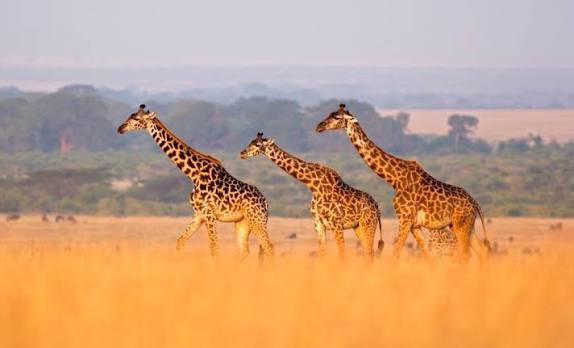
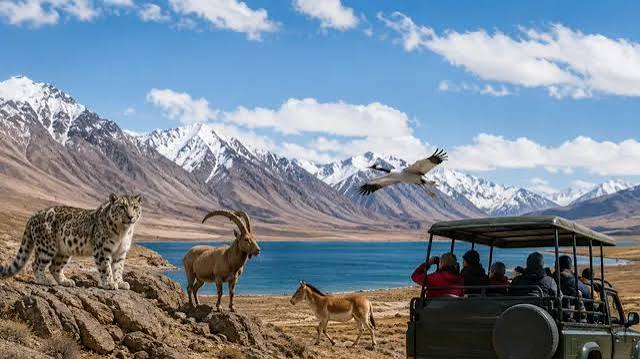
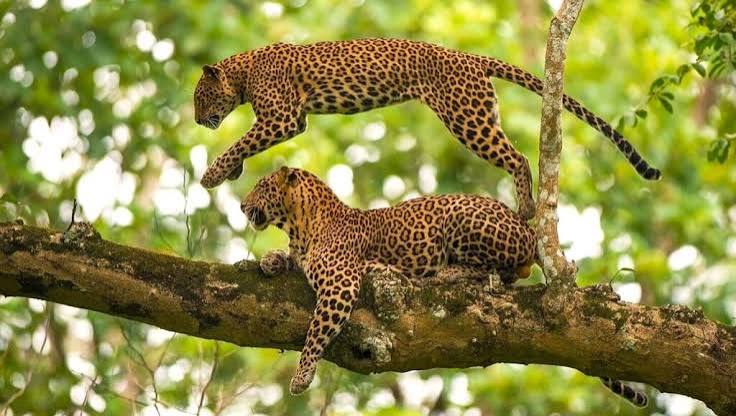
India is a country where nature tells a different story at every turn. From dense tropical forests and vast grasslands to mangrove-covered coastlines and dry desert landscapes, its diverse ecosystems support some of the world's most fascinating wildlife.
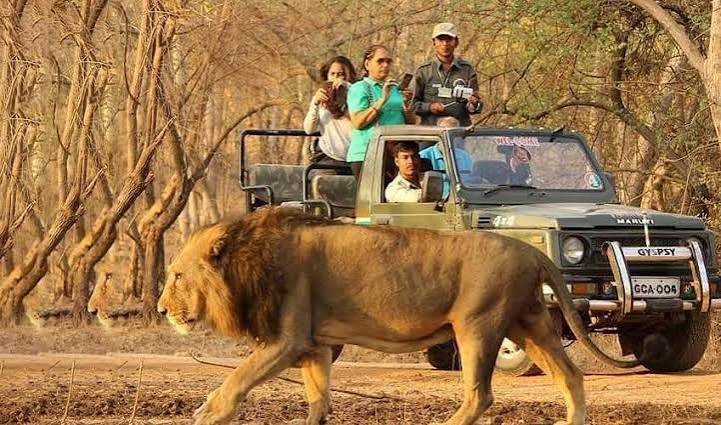
Imagine watching an elephant herd cross a forest trail, spotting a tiger moving silently through the grass, or witnessing hundreds of migratory birds gathering around a peaceful wetland. These experiences make wildlife travel in India unforgettable.
For travellers looking beyond crowded cities and conventional sightseeing, the best wildlife sanctuaries in India offer an opportunity to reconnect with nature, discover rare species and experience the country's incredible biodiversity.
Whether you are a wildlife photographer, an adventure enthusiast, a birdwatcher or a family looking for a unique holiday, India has a wildlife destination for you.
In this guide, Sort My Trip explores 12 remarkable wildlife destinations in India, including what makes each place special, the animals you may encounter, the best time to visit and useful tips for planning your next adventure.
Why Explore Wildlife Sanctuaries in India?
Wildlife tourism offers much more than an exciting safari. It introduces travellers to ecosystems, local communities and conservation efforts that help protect India's natural heritage.
Here are a few reasons to include a wildlife destination in your travel plans:
Exceptional biodiversity: Discover tigers, elephants, one-horned rhinoceroses, crocodiles, wild asses and hundreds of bird species.
Unique landscapes: Explore rainforests, wetlands, grasslands, river valleys, mangroves and desert ecosystems.
Memorable adventures: Experience guided jeep safaris, boat rides, birdwatching excursions and nature trails where permitted.
Photography opportunities: Capture wildlife, landscapes and the changing colours of nature.
Responsible travel: Support local guides, naturalists, community-run accommodation and conservation-focused tourism.
Every destination offers a different experience, so choosing the right one depends on your interests, travel dates and preferred style of adventure.
12 Best Wildlife Sanctuaries in India for Your Next Adventure
1. Periyar Wildlife Sanctuary, Kerala
Best for: Elephant sightings, boat rides and lush green landscapes
Located in the Western Ghats, Periyar is one of Kerala's best-known wildlife destinations. The protected forests surrounding Periyar Lake offer a beautiful setting for nature lovers who want to experience wildlife in a tropical environment.
The sanctuary is associated with the larger Periyar Tiger Reserve, which protects important forest habitats and supports a variety of mammals and birds.
Visitors may encounter elephants, gaur, sambar deer, wild boar and numerous bird species. Tiger sightings are possible but never guaranteed.
One of the area's distinctive experiences is exploring the lake by authorised boat services, where travellers can observe the surrounding forest and sometimes spot animals near the water.
Things to do:
Enjoy an authorised boat ride on Periyar Lake.
Join guided nature activities offered by the reserve.
Explore nearby spice plantations and local villages.
Visit Thekkady for forest-inspired experiences and regional cuisine.
Best time to visit: October to April is generally popular for comfortable sightseeing, although conditions and wildlife activity vary throughout the year.
Travel tip: Book popular activities in advance, especially during holidays. Follow the reserve's rules and maintain a respectful distance from wildlife.
2. Pobitora Wildlife Sanctuary, Assam
Best for: One-horned rhinoceroses and grassland wildlife
For travellers dreaming of seeing the Indian one-horned rhinoceros, Pobitora Wildlife Sanctuary is an excellent destination to consider.
Situated in Assam, not far from Guwahati, Pobitora is famous for its rhino population and grassland habitat. Its relatively compact protected area makes it an appealing addition to an Assam itinerary.
The sanctuary also supports wild water buffalo, various deer and an impressive range of resident and migratory birds.
The surrounding landscape, with wetlands and tall grasses, provides an interesting contrast to the forests and mountains found elsewhere in Northeast India.
Things to do:
Take an authorised jeep safari when available.
Observe rhinoceroses from designated safari routes.
Explore nearby wetlands and birdwatching areas.
Combine your visit with Guwahati and other Assam attractions.
Best time to visit: November to March is generally a popular period for wildlife travel, subject to sanctuary opening dates and local conditions.
Travel tip: Confirm safari availability and access conditions before travelling, as weather and seasonal management can affect visitor access.
3. Wayanad Wildlife Sanctuary, Kerala
Best for: Forest landscapes, elephants and road-trip adventures
Wayanad Wildlife Sanctuary is part of the larger Nilgiri Biosphere Reserve, a region recognised for its ecological importance and connected forest habitats.
Located in northern Kerala, the sanctuary offers a different atmosphere from the state's beaches and backwaters. Here, forested hills, bamboo vegetation and winding roads create a scenic setting for nature-focused holidays.
The sanctuary supports elephants, gaur, deer, wild boar and a variety of birds. Wildlife sightings depend on the season, habitat conditions and the route permitted for visitors.
Wayanad is also an excellent destination for travellers who want to combine wildlife experiences with waterfalls, viewpoints, plantations and village stays.
Things to do:
Explore authorised wildlife tourism activities.
Visit nearby nature attractions around Wayanad.
Stay at an eco-conscious property or local homestay.
Plan a scenic road trip through the Western Ghats.
Best time to visit: October to May is often preferred for general sightseeing, although monsoon conditions can create beautiful landscapes and may affect access.
Travel tip: Wayanad has several attractions spread across the district. Plan your accommodation and sightseeing route carefully instead of trying to cover everything in one day.
4. Bhitarkanika Wildlife Sanctuary, Odisha
Best for: Mangrove forests, estuarine crocodiles and boat-based exploration
Bhitarkanika offers one of India's most distinctive wildlife experiences. Unlike destinations known primarily for large mammals, this protected ecosystem is famous for its mangroves, tidal waterways and saltwater crocodiles.
The sanctuary lies within a larger protected landscape in Odisha, which includes Bhitarkanika National Park. Its network of creeks and mudflats supports a rich variety of reptiles, fish and birds.
Travelling through these waterways with authorised operators can reveal a side of India that feels completely different from a traditional jungle safari.
The landscape is particularly rewarding for nature photographers interested in mangrove ecosystems and birdlife.
Things to do:
Explore permitted waterways by authorised boat.
Look for crocodiles from safe, designated viewing areas.
Observe waterbirds and other wetland wildlife.
Learn about the ecological importance of mangrove forests.
Best time to visit: November to February is generally popular for comfortable weather and wildlife-focused trips.
Travel tip: Follow all boat and wildlife safety instructions. Never approach crocodiles or attempt to photograph them from unsafe distances.
5. National Chambal Sanctuary, Uttar Pradesh, Madhya Pradesh and Rajasthan
Best for: River safaris, gharials and rare aquatic wildlife
If you are looking for something beyond the conventional tiger safari, National Chambal Sanctuary offers a remarkable alternative.
Stretching along sections of the Chambal River across three states, this protected landscape is important for gharials, freshwater turtles and the endangered Ganges river dolphin.
The river's sandy banks, ravines and relatively undisturbed stretches provide a fascinating setting for wildlife observation.
Authorised boat excursions, where available, offer opportunities to spot crocodilians, river birds and other aquatic wildlife without entering a traditional forest safari environment.
Things to do:
Join a permitted river safari with a knowledgeable guide.
Learn about gharial conservation.
Observe riverine birds from authorised viewing areas.
Combine the trip with nearby heritage destinations.
Best time to visit: November to March is often suitable for comfortable weather and river-based excursions, subject to local operating conditions.
Travel tip: Choose responsible operators who follow river regulations and maintain safe distances from animals.
6. Bhadra Wildlife Sanctuary, Karnataka
Best for: Forest safaris, Western Ghats scenery and diverse wildlife
Located in Karnataka, Bhadra Wildlife Sanctuary is part of a biodiverse Western Ghats landscape. It is a rewarding option for travellers interested in forest ecosystems and wildlife away from some of India's busiest safari destinations.
The sanctuary supports elephants, gaur, deer and a range of other mammals and birds. It is also associated with the Bhadra Tiger Reserve, which protects important habitat for tigers and other carnivores.
The surrounding hills, forest cover and water bodies make the region especially appealing to nature lovers.
Things to do:
Explore authorised safari activities when available.
Enjoy birdwatching and nature photography.
Combine wildlife travel with the Chikkamagaluru region.
Discover nearby coffee-growing landscapes and scenic viewpoints.
Best time to visit: October to March is generally a comfortable period for a wildlife-focused holiday.
Travel tip: Check the operating arrangements for safaris and accommodation in advance, as facilities and access can vary by location and season.
7. Chinnar Wildlife Sanctuary, Kerala
Best for: Dry forests, unusual landscapes and nature enthusiasts
Chinnar Wildlife Sanctuary offers a different perspective on Kerala's natural beauty. While much of the state is associated with tropical greenery, Chinnar includes dry deciduous forest and thorny scrub landscapes.
Located in the Western Ghats near the Tamil Nadu border, the sanctuary supports elephants, gaur, deer and several other mammals. It is also known for the endangered grizzled giant squirrel.
Its changing vegetation and rugged terrain make Chinnar particularly interesting for travellers who enjoy exploring less conventional natural environments.
Things to do:
Join permitted guided nature walks.
Learn about local flora and wildlife conservation.
Explore the surrounding mountain landscape.
Include Chinnar in a broader Munnar and Idukki itinerary.
Best time to visit: November to March is often preferred for comfortable outdoor activities.
Travel tip: Walking activities must be arranged through authorised channels. Follow guide instructions and avoid exploring wildlife habitats independently.
8. Indian Wild Ass Sanctuary, Gujarat
Best for: Open landscapes, wild asses and desert wildlife
Situated in the Little Rann of Kutch, Gujarat's Indian Wild Ass Sanctuary protects a remarkable landscape of salt flats, grasslands and seasonal wetlands.
The sanctuary is best known for the Indian wild ass, a distinctive wild equid adapted to the region's challenging conditions.
Beyond wild asses, the surrounding landscape attracts birds, particularly during suitable seasonal conditions. The contrast between dry terrain and temporary wetlands creates excellent opportunities for landscape and wildlife photography.
For travellers who want to experience Gujarat beyond its cities and heritage sites, this destination adds a fascinating nature-focused dimension to a trip.
Things to do:
Explore authorised wildlife routes with local guides.
Look for Indian wild asses from designated viewing areas.
Observe seasonal birdlife.
Combine the experience with a wider Kutch itinerary.
Best time to visit: November to February is generally popular for comfortable weather and seasonal wildlife observation.
Travel tip: Conditions in the Rann can change significantly with the seasons. Check access requirements and local guidance before planning a safari.
9. Dandeli Wildlife Sanctuary, Karnataka
Best for: Adventure activities, river landscapes and birdwatching
Dandeli is an appealing destination for travellers who want to combine wildlife with outdoor adventure.
Located in Karnataka's Western Ghats region, the sanctuary protects forest habitat associated with a rich variety of birds and mammals. The wider Dandeli area is also known for the Kali River and outdoor recreation.
Depending on the operator and current regulations, visitors may be able to combine guided nature experiences with permitted river activities in the surrounding region.
It is particularly attractive for groups of friends and families seeking a holiday that includes both relaxation and adventure.
Things to do:
Join authorised wildlife excursions.
Explore birdwatching opportunities.
Enjoy permitted river activities with qualified operators.
Stay at a nature-oriented resort or local accommodation.
Best time to visit: October to March is often preferred for a mix of sightseeing and outdoor activities.
Travel tip: River activities depend on water levels, weather and operating permissions. Always verify safety arrangements before booking.
10. Ranganathittu Bird Sanctuary, Karnataka
Best for: Birdwatching, photography and peaceful boat rides
Birdwatchers do not always need to travel deep into remote forests to enjoy an extraordinary wildlife experience. Ranganathittu Bird Sanctuary, near Mysuru, is an excellent example.
Situated along the Kaveri River, the sanctuary consists of small islands and surrounding waters that support nesting and feeding birds.
Depending on the season, visitors may observe painted storks, pelicans, cormorants, herons and other waterbirds. Crocodiles may also be seen in the river, making the area interesting for wildlife enthusiasts beyond birdwatching alone.
Things to do:
Enjoy authorised boat rides when operating.
Observe nesting and feeding birds from permitted areas.
Practise wildlife photography.
Combine your visit with Mysuru and Srirangapatna.
Best time to visit: November to June is often rewarding for birdwatching, although seasonal bird activity varies.
Travel tip: Visit early in the day when practical, bring binoculars and avoid loud noises that may disturb nesting birds.
11. Kutch Desert Wildlife Sanctuary, Gujarat
Best for: Salt desert landscapes, flamingos and seasonal wetlands
The Kutch Desert Wildlife Sanctuary, located in the Great Rann of Kutch region, is a fascinating destination for travellers interested in unusual landscapes and seasonal wildlife.
Its environment includes extensive salt flats and wetlands, with conditions changing throughout the year. The nearby seasonal wetlands and wider Kutch landscape are important for birds, including flamingos in suitable conditions.
This destination can be especially appealing to photographers who enjoy wide horizons, dramatic skies and the contrast between desert terrain and wetland habitats.
Things to do:
Explore permitted areas with local guidance.
Discover the landscapes of the wider Kutch region.
Look for seasonal birdlife from appropriate viewing locations.
Combine the trip with Kutch's crafts, villages and cultural experiences.
Best time to visit: November to February is generally popular for comfortable weather and wider Kutch sightseeing.
Travel tip: Do not assume every area is accessible year-round. Confirm sanctuary permissions, seasonal conditions and local travel requirements before setting out.
12. Jim Corbett National Park, Uttarakhand
Best for: Tiger safaris, forest scenery and a classic wildlife holiday
Although it is a national park rather than a wildlife sanctuary, Jim Corbett deserves a place in any broader guide to India's leading wildlife destinations.
Located in Uttarakhand, Corbett is one of India's best-known protected areas and forms part of the Corbett Tiger Reserve landscape.
Its forests, grasslands and river habitats support tigers, elephants, deer, birds and many other species. The experience varies between tourism zones, with different landscapes and wildlife-viewing opportunities.
Corbett also works well for travellers who want to combine a safari with a relaxing stay near the foothills of the Himalayas.
Things to do:
Book a permitted jeep safari in an open tourism zone.
Explore authorised nature experiences around the reserve.
Enjoy birdwatching and photography.
Spend time at a suitable resort or nature retreat nearby.
Best time to visit: October to June is a commonly preferred period for safari tourism, but individual zones and routes can have different seasonal schedules.
Travel tip: Safari permits are limited and sightings are never guaranteed. Choose your zone based on availability and travel preferences rather than expecting a particular animal encounter.
Best Wildlife Destinations in India: Quick Comparison
| Destination | Best known for | Ideal for |
|---|---|---|
| Periyar, Kerala | Elephants and forest landscapes | Families and couples |
| Pobitora, Assam | One-horned rhinoceroses | Wildlife enthusiasts |
| Wayanad, Kerala | Forests and elephants | Road trips and nature stays |
| Bhitarkanika, Odisha | Mangroves and saltwater crocodiles | Nature photographers |
| National Chambal Sanctuary | Gharials and river wildlife | Wildlife and bird lovers |
| Bhadra, Karnataka | Western Ghats wildlife | Forest adventures |
| Chinnar, Kerala | Grizzled giant squirrel and dry forests | Nature enthusiasts |
| Indian Wild Ass Sanctuary, Gujarat | Indian wild asses | Desert explorers |
| Dandeli, Karnataka | Forests and river activities | Adventure travellers |
| Ranganathittu, Karnataka | Waterbirds and nesting colonies | Birdwatchers |
| Kutch Desert Wildlife Sanctuary, Gujarat | Salt desert and seasonal wetlands | Landscape photographers |
| Jim Corbett, Uttarakhand | Tiger safari and forest wildlife | First-time safari travellers |
When Is the Best Time to Visit Wildlife Sanctuaries in India?
The best time depends on the destination, the species you want to observe and the type of experience you prefer.
October to February: Comfortable weather and birdwatching
Many destinations in India are pleasant to explore during these months. The period can be particularly rewarding for birdwatching, nature photography and outdoor activities, although wildlife visibility varies.
March to June: Warmer weather and safari opportunities
In some tiger reserves and forest destinations, warmer months can offer rewarding wildlife-viewing opportunities. However, temperatures can become intense, and some tourism zones may close according to local schedules.
June to September: Monsoon landscapes
The monsoon transforms many Indian forests into lush green environments. However, heavy rainfall can affect roads, trails, boat operations and access to protected areas. Several safari zones close or restrict activities during this period.
Before finalising your trip, always verify official opening dates, safari timings, permit availability and weather conditions.
How to Plan a Wildlife Trip in India
A successful wildlife holiday requires more than choosing a destination. Thoughtful planning helps you make the most of your time while respecting the environment.
1. Choose the right destination
Decide what interests you most. For tigers, consider established tiger reserves. For rhinoceroses, explore Assam. For river wildlife, consider National Chambal Sanctuary. For birdwatching, look at Ranganathittu and other wetland destinations.
2. Book permits and safaris early
Popular safari slots may sell out during peak travel periods. Use official booking channels or verified operators and confirm the exact tourism zone included in your reservation.
3. Allow enough time
A single safari may not be enough to experience a destination fully. Consider staying for two or three nights when practical, particularly if you want several wildlife excursions.
4. Pack appropriately
Carry comfortable clothing in neutral colours, walking shoes, sun protection, insect repellent, a reusable water bottle and binoculars. A camera with a suitable zoom lens can be useful, but it is not essential.
5. Choose suitable accommodation
Options range from simple guesthouses and homestays to comfortable resorts and eco-conscious lodges. Select a property based on location, transport access, budget and responsible tourism practices.
6. Respect wildlife and local regulations
Never feed animals, make loud noises to attract them, litter or leave authorised routes. Follow your guide's instructions and maintain a safe distance from all wildlife.
Responsible Wildlife Tourism: Travel Without Disturbing Nature
Wildlife tourism can support conservation and local livelihoods when managed responsibly. However, poorly managed activities can disturb animals and damage fragile habitats.
You can make a positive difference by following a few simple practices:
Choose authorised guides and licensed tourism operators.
Follow park rules and maintain silence during wildlife observation.
Never encourage an operator to chase animals or guarantee sightings.
Avoid feeding wildlife or purchasing products made from protected species.
Carry reusable items and dispose of waste responsibly.
Support local businesses and community-based tourism initiatives.
Respect photography restrictions and never use flash when prohibited.
Remember that a wildlife encounter is a privilege, not a performance arranged for visitors. Even when you do not spot a tiger or another iconic animal, the forests, bird calls and natural landscapes can make the experience worthwhile.
Which Wildlife Sanctuary in India Should You Choose?
The right destination depends on your travel style.
For first-time wildlife travellers: Jim Corbett is a well-known option for planning a classic Indian safari holiday.
For elephant encounters and lush forests: Consider Periyar or Wayanad.
For rhinoceroses: Pobitora offers a compelling reason to explore Assam.
For birds and photography: Ranganathittu is a strong option, while the wider Kutch region offers distinctive seasonal birdlife and landscapes.
For unusual wildlife experiences: National Chambal Sanctuary offers opportunities to learn about gharials and river ecosystems.
For adventure with nature: Dandeli combines forest experiences with outdoor activities in the surrounding region.
For desert landscapes: The Indian Wild Ass Sanctuary and the wider Kutch region provide a different perspective on India's wildlife diversity.
Plan Your Next Wildlife Adventure with Sort My Trip
India's wilderness offers countless opportunities to step away from everyday routines and discover a different side of travel. From the mangroves of Odisha and the grasslands of Assam to the forests of Kerala and the river habitats of the Chambal, each destination tells its own story.
The best wildlife trip is not necessarily the one with the most famous animal sightings. It is the one that matches your interests, gives you time to appreciate the landscape and allows you to experience nature responsibly.
Whether you are planning a short weekend escape, a family holiday, a photography trip or a longer wildlife expedition, thoughtful planning can make your journey more comfortable and rewarding.
Let SortMyTrip Help you with this curated package. Explore wildlife destinations, compare travel options and plan a memorable Indian adventure around your preferred dates, budget and interests.
Your next adventure could begin with a quiet forest morning, a river safari or the distant movement of wildlife across an open grassland.
Explore India with Sort My Trip — where every journey brings you closer to discovery.
Frequently Asked Questions (FAQs)
1. Which are the best wildlife sanctuaries in India?
Popular choices include Periyar Wildlife Sanctuary, Pobitora Wildlife Sanctuary, Wayanad Wildlife Sanctuary, Bhitarkanika Wildlife Sanctuary, Bhadra Wildlife Sanctuary, Chinnar Wildlife Sanctuary and Ranganathittu Bird Sanctuary. National parks such as Jim Corbett are also excellent wildlife destinations.
2. Which wildlife sanctuary in India is best for tiger sightings?
Jim Corbett and other established tiger reserves are popular choices for tiger safaris. However, tiger sightings depend on natural wildlife movement, weather, habitat conditions and the safari zone.
3. What is the best month to visit wildlife sanctuaries in India?
November to February is a popular period for many destinations because of comfortable weather. Some forest reserves offer different wildlife-viewing opportunities during warmer months. Always check local opening schedules.
4. Are wildlife sanctuaries in India suitable for family trips?
Yes. Many destinations offer guided activities, nearby accommodation and nature experiences suitable for families. Check age restrictions, safari rules, travel distances and safety requirements before booking.
5. Can I see elephants in Indian wildlife sanctuaries?
Elephants inhabit several protected landscapes, including Periyar, Wayanad, Bhadra and other forest reserves. Sightings are never guaranteed and depend on the season and animal movement.
6. What should I carry on a wildlife safari?
Useful items include binoculars, a camera, comfortable neutral-coloured clothing, sun protection, insect repellent, a reusable water bottle and any personal essentials required for your journey.
7. How can I book a wildlife holiday in India?
Start by selecting your destination and travel dates, then check official permits, safari availability, transport and accommodation. Sort My Trip can help you explore suitable travel arrangements for your preferred wildlife experience.
Travel responsibly. Respect nature. Discover the wild side of India with Sort My Trip.
Best Wildlife Sanctuaries in India for Your Next Adventure: 12 Incredible Places to Explore
Meta Title: Best Wildlife Sanctuaries in India for Your Next Adventure
Meta Description: Explore the best wildlife sanctuaries in India, from Periyar and Pobitora to Bhitarkanika and National Chambal. Discover wildlife, safaris, travel tips and the best time to visit.
URL Slug: best-wildlife-sanctuaries-in-india
Primary SEO Keyword: Best Wildlife Sanctuaries in India
Secondary Keywords: Wildlife sanctuaries in India, best wildlife destinations in India, wildlife safari in India, Indian national parks, tiger reserves in India, bird sanctuaries in India, wildlife tourism in India.
Category: Travel Guides | Wildlife & Nature
Introduction: Discover the Wild Side of India
India is a country where nature tells a different story at every turn. From dense tropical forests and vast grasslands to mangrove-covered coastlines and dry desert landscapes, its diverse ecosystems support some of the world's most fascinating wildlife.
Imagine watching an elephant herd cross a forest trail, spotting a tiger moving silently through the grass, or witnessing hundreds of migratory birds gathering around a peaceful wetland. These experiences make wildlife travel in India unforgettable.
For travellers looking beyond crowded cities and conventional sightseeing, the best wildlife sanctuaries in India offer an opportunity to reconnect with nature, discover rare species and experience the country's incredible biodiversity.
Whether you are a wildlife photographer, an adventure enthusiast, a birdwatcher or a family looking for a unique holiday, India has a wildlife destination for you.
In this guide, Sort My Trip explores 12 remarkable wildlife destinations in India, including what makes each place special, the animals you may encounter, the best time to visit and useful tips for planning your next adventure.
Why Explore Wildlife Sanctuaries in India?
Wildlife tourism offers much more than an exciting safari. It introduces travellers to ecosystems, local communities and conservation efforts that help protect India's natural heritage.
Here are a few reasons to include a wildlife destination in your travel plans:
Exceptional biodiversity: Discover tigers, elephants, one-horned rhinoceroses, crocodiles, wild asses and hundreds of bird species.
Unique landscapes: Explore rainforests, wetlands, grasslands, river valleys, mangroves and desert ecosystems.
Memorable adventures: Experience guided jeep safaris, boat rides, birdwatching excursions and nature trails where permitted.
Photography opportunities: Capture wildlife, landscapes and the changing colours of nature.
Responsible travel: Support local guides, naturalists, community-run accommodation and conservation-focused tourism.
Every destination offers a different experience, so choosing the right one depends on your interests, travel dates and preferred style of adventure.
12 Best Wildlife Sanctuaries in India for Your Next Adventure
1. Periyar Wildlife Sanctuary, Kerala
Best for: Elephant sightings, boat rides and lush green landscapes
Located in the Western Ghats, Periyar is one of Kerala's best-known wildlife destinations. The protected forests surrounding Periyar Lake offer a beautiful setting for nature lovers who want to experience wildlife in a tropical environment.
The sanctuary is associated with the larger Periyar Tiger Reserve, which protects important forest habitats and supports a variety of mammals and birds.
Visitors may encounter elephants, gaur, sambar deer, wild boar and numerous bird species. Tiger sightings are possible but never guaranteed.
One of the area's distinctive experiences is exploring the lake by authorised boat services, where travellers can observe the surrounding forest and sometimes spot animals near the water.
Things to do:
Enjoy an authorised boat ride on Periyar Lake.
Join guided nature activities offered by the reserve.
Explore nearby spice plantations and local villages.
Visit Thekkady for forest-inspired experiences and regional cuisine.
Best time to visit: October to April is generally popular for comfortable sightseeing, although conditions and wildlife activity vary throughout the year.
Travel tip: Book popular activities in advance, especially during holidays. Follow the reserve's rules and maintain a respectful distance from wildlife.
2. Pobitora Wildlife Sanctuary, Assam
Best for: One-horned rhinoceroses and grassland wildlife
For travellers dreaming of seeing the Indian one-horned rhinoceros, Pobitora Wildlife Sanctuary is an excellent destination to consider.
Situated in Assam, not far from Guwahati, Pobitora is famous for its rhino population and grassland habitat. Its relatively compact protected area makes it an appealing addition to an Assam itinerary.
The sanctuary also supports wild water buffalo, various deer and an impressive range of resident and migratory birds.
The surrounding landscape, with wetlands and tall grasses, provides an interesting contrast to the forests and mountains found elsewhere in Northeast India.
Things to do:
Take an authorised jeep safari when available.
Observe rhinoceroses from designated safari routes.
Explore nearby wetlands and birdwatching areas.
Combine your visit with Guwahati and other Assam attractions.
Best time to visit: November to March is generally a popular period for wildlife travel, subject to sanctuary opening dates and local conditions.
Travel tip: Confirm safari availability and access conditions before travelling, as weather and seasonal management can affect visitor access.
3. Wayanad Wildlife Sanctuary, Kerala
Best for: Forest landscapes, elephants and road-trip adventures
Wayanad Wildlife Sanctuary is part of the larger Nilgiri Biosphere Reserve, a region recognised for its ecological importance and connected forest habitats.
Located in northern Kerala, the sanctuary offers a different atmosphere from the state's beaches and backwaters. Here, forested hills, bamboo vegetation and winding roads create a scenic setting for nature-focused holidays.
The sanctuary supports elephants, gaur, deer, wild boar and a variety of birds. Wildlife sightings depend on the season, habitat conditions and the route permitted for visitors.
Wayanad is also an excellent destination for travellers who want to combine wildlife experiences with waterfalls, viewpoints, plantations and village stays.
Things to do:
Explore authorised wildlife tourism activities.
Visit nearby nature attractions around Wayanad.
Stay at an eco-conscious property or local homestay.
Plan a scenic road trip through the Western Ghats.
Best time to visit: October to May is often preferred for general sightseeing, although monsoon conditions can create beautiful landscapes and may affect access.
Travel tip: Wayanad has several attractions spread across the district. Plan your accommodation and sightseeing route carefully instead of trying to cover everything in one day.
4. Bhitarkanika Wildlife Sanctuary, Odisha
Best for: Mangrove forests, estuarine crocodiles and boat-based exploration
Bhitarkanika offers one of India's most distinctive wildlife experiences. Unlike destinations known primarily for large mammals, this protected ecosystem is famous for its mangroves, tidal waterways and saltwater crocodiles.
The sanctuary lies within a larger protected landscape in Odisha, which includes Bhitarkanika National Park. Its network of creeks and mudflats supports a rich variety of reptiles, fish and birds.
Travelling through these waterways with authorised operators can reveal a side of India that feels completely different from a traditional jungle safari.
The landscape is particularly rewarding for nature photographers interested in mangrove ecosystems and birdlife.
Things to do:
Explore permitted waterways by authorised boat.
Look for crocodiles from safe, designated viewing areas.
Observe waterbirds and other wetland wildlife.
Learn about the ecological importance of mangrove forests.
Best time to visit: November to February is generally popular for comfortable weather and wildlife-focused trips.
Travel tip: Follow all boat and wildlife safety instructions. Never approach crocodiles or attempt to photograph them from unsafe distances.
5. National Chambal Sanctuary, Uttar Pradesh, Madhya Pradesh and Rajasthan
Best for: River safaris, gharials and rare aquatic wildlife
If you are looking for something beyond the conventional tiger safari, National Chambal Sanctuary offers a remarkable alternative.
Stretching along sections of the Chambal River across three states, this protected landscape is important for gharials, freshwater turtles and the endangered Ganges river dolphin.
The river's sandy banks, ravines and relatively undisturbed stretches provide a fascinating setting for wildlife observation.
Authorised boat excursions, where available, offer opportunities to spot crocodilians, river birds and other aquatic wildlife without entering a traditional forest safari environment.
Things to do:
Join a permitted river safari with a knowledgeable guide.
Learn about gharial conservation.
Observe riverine birds from authorised viewing areas.
Combine the trip with nearby heritage destinations.
Best time to visit: November to March is often suitable for comfortable weather and river-based excursions, subject to local operating conditions.
Travel tip: Choose responsible operators who follow river regulations and maintain safe distances from animals.
6. Bhadra Wildlife Sanctuary, Karnataka
Best for: Forest safaris, Western Ghats scenery and diverse wildlife
Located in Karnataka, Bhadra Wildlife Sanctuary is part of a biodiverse Western Ghats landscape. It is a rewarding option for travellers interested in forest ecosystems and wildlife away from some of India's busiest safari destinations.
The sanctuary supports elephants, gaur, deer and a range of other mammals and birds. It is also associated with the Bhadra Tiger Reserve, which protects important habitat for tigers and other carnivores.
The surrounding hills, forest cover and water bodies make the region especially appealing to nature lovers.
Things to do:
Explore authorised safari activities when available.
Enjoy birdwatching and nature photography.
Combine wildlife travel with the Chikkamagaluru region.
Discover nearby coffee-growing landscapes and scenic viewpoints.
Best time to visit: October to March is generally a comfortable period for a wildlife-focused holiday.
Travel tip: Check the operating arrangements for safaris and accommodation in advance, as facilities and access can vary by location and season.
7. Chinnar Wildlife Sanctuary, Kerala
Best for: Dry forests, unusual landscapes and nature enthusiasts
Chinnar Wildlife Sanctuary offers a different perspective on Kerala's natural beauty. While much of the state is associated with tropical greenery, Chinnar includes dry deciduous forest and thorny scrub landscapes.
Located in the Western Ghats near the Tamil Nadu border, the sanctuary supports elephants, gaur, deer and several other mammals. It is also known for the endangered grizzled giant squirrel.
Its changing vegetation and rugged terrain make Chinnar particularly interesting for travellers who enjoy exploring less conventional natural environments.
Things to do:
Join permitted guided nature walks.
Learn about local flora and wildlife conservation.
Explore the surrounding mountain landscape.
Include Chinnar in a broader Munnar and Idukki itinerary.
Best time to visit: November to March is often preferred for comfortable outdoor activities.
Travel tip: Walking activities must be arranged through authorised channels. Follow guide instructions and avoid exploring wildlife habitats independently.
8. Indian Wild Ass Sanctuary, Gujarat
Best for: Open landscapes, wild asses and desert wildlife
Situated in the Little Rann of Kutch, Gujarat's Indian Wild Ass Sanctuary protects a remarkable landscape of salt flats, grasslands and seasonal wetlands.
The sanctuary is best known for the Indian wild ass, a distinctive wild equid adapted to the region's challenging conditions.
Beyond wild asses, the surrounding landscape attracts birds, particularly during suitable seasonal conditions. The contrast between dry terrain and temporary wetlands creates excellent opportunities for landscape and wildlife photography.
For travellers who want to experience Gujarat beyond its cities and heritage sites, this destination adds a fascinating nature-focused dimension to a trip.
Things to do:
Explore authorised wildlife routes with local guides.
Look for Indian wild asses from designated viewing areas.
Observe seasonal birdlife.
Combine the experience with a wider Kutch itinerary.
Best time to visit: November to February is generally popular for comfortable weather and seasonal wildlife observation.
Travel tip: Conditions in the Rann can change significantly with the seasons. Check access requirements and local guidance before planning a safari.
9. Dandeli Wildlife Sanctuary, Karnataka
Best for: Adventure activities, river landscapes and birdwatching
Dandeli is an appealing destination for travellers who want to combine wildlife with outdoor adventure.
Located in Karnataka's Western Ghats region, the sanctuary protects forest habitat associated with a rich variety of birds and mammals. The wider Dandeli area is also known for the Kali River and outdoor recreation.
Depending on the operator and current regulations, visitors may be able to combine guided nature experiences with permitted river activities in the surrounding region.
It is particularly attractive for groups of friends and families seeking a holiday that includes both relaxation and adventure.
Things to do:
Join authorised wildlife excursions.
Explore birdwatching opportunities.
Enjoy permitted river activities with qualified operators.
Stay at a nature-oriented resort or local accommodation.
Best time to visit: October to March is often preferred for a mix of sightseeing and outdoor activities.
Travel tip: River activities depend on water levels, weather and operating permissions. Always verify safety arrangements before booking.
10. Ranganathittu Bird Sanctuary, Karnataka
Best for: Birdwatching, photography and peaceful boat rides
Birdwatchers do not always need to travel deep into remote forests to enjoy an extraordinary wildlife experience. Ranganathittu Bird Sanctuary, near Mysuru, is an excellent example.
Situated along the Kaveri River, the sanctuary consists of small islands and surrounding waters that support nesting and feeding birds.
Depending on the season, visitors may observe painted storks, pelicans, cormorants, herons and other waterbirds. Crocodiles may also be seen in the river, making the area interesting for wildlife enthusiasts beyond birdwatching alone.
Things to do:
Enjoy authorised boat rides when operating.
Observe nesting and feeding birds from permitted areas.
Practise wildlife photography.
Combine your visit with Mysuru and Srirangapatna.
Best time to visit: November to June is often rewarding for birdwatching, although seasonal bird activity varies.
Travel tip: Visit early in the day when practical, bring binoculars and avoid loud noises that may disturb nesting birds.
11. Kutch Desert Wildlife Sanctuary, Gujarat
Best for: Salt desert landscapes, flamingos and seasonal wetlands
The Kutch Desert Wildlife Sanctuary, located in the Great Rann of Kutch region, is a fascinating destination for travellers interested in unusual landscapes and seasonal wildlife.
Its environment includes extensive salt flats and wetlands, with conditions changing throughout the year. The nearby seasonal wetlands and wider Kutch landscape are important for birds, including flamingos in suitable conditions.
This destination can be especially appealing to photographers who enjoy wide horizons, dramatic skies and the contrast between desert terrain and wetland habitats.
Things to do:
Explore permitted areas with local guidance.
Discover the landscapes of the wider Kutch region.
Look for seasonal birdlife from appropriate viewing locations.
Combine the trip with Kutch's crafts, villages and cultural experiences.
Best time to visit: November to February is generally popular for comfortable weather and wider Kutch sightseeing.
Travel tip: Do not assume every area is accessible year-round. Confirm sanctuary permissions, seasonal conditions and local travel requirements before setting out.
12. Jim Corbett National Park, Uttarakhand
Best for: Tiger safaris, forest scenery and a classic wildlife holiday
Although it is a national park rather than a wildlife sanctuary, Jim Corbett deserves a place in any broader guide to India's leading wildlife destinations.
Located in Uttarakhand, Corbett is one of India's best-known protected areas and forms part of the Corbett Tiger Reserve landscape.
Its forests, grasslands and river habitats support tigers, elephants, deer, birds and many other species. The experience varies between tourism zones, with different landscapes and wildlife-viewing opportunities.
Corbett also works well for travellers who want to combine a safari with a relaxing stay near the foothills of the Himalayas.
Things to do:
Book a permitted jeep safari in an open tourism zone.
Explore authorised nature experiences around the reserve.
Enjoy birdwatching and photography.
Spend time at a suitable resort or nature retreat nearby.
Best time to visit: October to June is a commonly preferred period for safari tourism, but individual zones and routes can have different seasonal schedules.
Travel tip: Safari permits are limited and sightings are never guaranteed. Choose your zone based on availability and travel preferences rather than expecting a particular animal encounter.
Best Wildlife Destinations in India: Quick Comparison
| Destination | Best known for | Ideal for |
|---|---|---|
| Periyar, Kerala | Elephants and forest landscapes | Families and couples |
| Pobitora, Assam | One-horned rhinoceroses | Wildlife enthusiasts |
| Wayanad, Kerala | Forests and elephants | Road trips and nature stays |
| Bhitarkanika, Odisha | Mangroves and saltwater crocodiles | Nature photographers |
| National Chambal Sanctuary | Gharials and river wildlife | Wildlife and bird lovers |
| Bhadra, Karnataka | Western Ghats wildlife | Forest adventures |
| Chinnar, Kerala | Grizzled giant squirrel and dry forests | Nature enthusiasts |
| Indian Wild Ass Sanctuary, Gujarat | Indian wild asses | Desert explorers |
| Dandeli, Karnataka | Forests and river activities | Adventure travellers |
| Ranganathittu, Karnataka | Waterbirds and nesting colonies | Birdwatchers |
| Kutch Desert Wildlife Sanctuary, Gujarat | Salt desert and seasonal wetlands | Landscape photographers |
| Jim Corbett, Uttarakhand | Tiger safari and forest wildlife | First-time safari travellers |
When Is the Best Time to Visit Wildlife Sanctuaries in India?
The best time depends on the destination, the species you want to observe and the type of experience you prefer.
October to February: Comfortable weather and birdwatching
Many destinations in India are pleasant to explore during these months. The period can be particularly rewarding for birdwatching, nature photography and outdoor activities, although wildlife visibility varies.
March to June: Warmer weather and safari opportunities
In some tiger reserves and forest destinations, warmer months can offer rewarding wildlife-viewing opportunities. However, temperatures can become intense, and some tourism zones may close according to local schedules.
June to September: Monsoon landscapes
The monsoon transforms many Indian forests into lush green environments. However, heavy rainfall can affect roads, trails, boat operations and access to protected areas. Several safari zones close or restrict activities during this period.
Before finalising your trip, always verify official opening dates, safari timings, permit availability and weather conditions.
How to Plan a Wildlife Trip in India
A successful wildlife holiday requires more than choosing a destination. Thoughtful planning helps you make the most of your time while respecting the environment.
1. Choose the right destination
Decide what interests you most. For tigers, consider established tiger reserves. For rhinoceroses, explore Assam. For river wildlife, consider National Chambal Sanctuary. For birdwatching, look at Ranganathittu and other wetland destinations.
2. Book permits and safaris early
Popular safari slots may sell out during peak travel periods. Use official booking channels or verified operators and confirm the exact tourism zone included in your reservation.
3. Allow enough time
A single safari may not be enough to experience a destination fully. Consider staying for two or three nights when practical, particularly if you want several wildlife excursions.
4. Pack appropriately
Carry comfortable clothing in neutral colours, walking shoes, sun protection, insect repellent, a reusable water bottle and binoculars. A camera with a suitable zoom lens can be useful, but it is not essential.
5. Choose suitable accommodation
Options range from simple guesthouses and homestays to comfortable resorts and eco-conscious lodges. Select a property based on location, transport access, budget and responsible tourism practices.
6. Respect wildlife and local regulations
Never feed animals, make loud noises to attract them, litter or leave authorised routes. Follow your guide's instructions and maintain a safe distance from all wildlife.
Responsible Wildlife Tourism: Travel Without Disturbing Nature
Wildlife tourism can support conservation and local livelihoods when managed responsibly. However, poorly managed activities can disturb animals and damage fragile habitats.
You can make a positive difference by following a few simple practices:
Choose authorised guides and licensed tourism operators.
Follow park rules and maintain silence during wildlife observation.
Never encourage an operator to chase animals or guarantee sightings.
Avoid feeding wildlife or purchasing products made from protected species.
Carry reusable items and dispose of waste responsibly.
Support local businesses and community-based tourism initiatives.
Respect photography restrictions and never use flash when prohibited.
Remember that a wildlife encounter is a privilege, not a performance arranged for visitors. Even when you do not spot a tiger or another iconic animal, the forests, bird calls and natural landscapes can make the experience worthwhile.
Which Wildlife Sanctuary in India Should You Choose?
The right destination depends on your travel style.
For first-time wildlife travellers: Jim Corbett is a well-known option for planning a classic Indian safari holiday.
For elephant encounters and lush forests: Consider Periyar or Wayanad.
For rhinoceroses: Pobitora offers a compelling reason to explore Assam.
For birds and photography: Ranganathittu is a strong option, while the wider Kutch region offers distinctive seasonal birdlife and landscapes.
For unusual wildlife experiences: National Chambal Sanctuary offers opportunities to learn about gharials and river ecosystems.
For adventure with nature: Dandeli combines forest experiences with outdoor activities in the surrounding region.
For desert landscapes: The Indian Wild Ass Sanctuary and the wider Kutch region provide a different perspective on India's wildlife diversity.
Plan Your Next Wildlife Adventure with Sort My Trip
India's wilderness offers countless opportunities to step away from everyday routines and discover a different side of travel. From the mangroves of Odisha and the grasslands of Assam to the forests of Kerala and the river habitats of the Chambal, each destination tells its own story.
The best wildlife trip is not necessarily the one with the most famous animal sightings. It is the one that matches your interests, gives you time to appreciate the landscape and allows you to experience nature responsibly.
Whether you are planning a short weekend escape, a family holiday, a photography trip or a longer wildlife expedition, thoughtful planning can make your journey more comfortable and rewarding.
Let SortMyTrip Help you with this curated package. Explore wildlife destinations, compare travel options and plan a memorable Indian adventure around your preferred dates, budget and interests.
Your next adventure could begin with a quiet forest morning, a river safari or the distant movement of wildlife across an open grassland.
Explore India with Sort My Trip — where every journey brings you closer to discovery.
Frequently Asked Questions (FAQs)
1. Which are the best wildlife sanctuaries in India?
Popular choices include Periyar Wildlife Sanctuary, Pobitora Wildlife Sanctuary, Wayanad Wildlife Sanctuary, Bhitarkanika Wildlife Sanctuary, Bhadra Wildlife Sanctuary, Chinnar Wildlife Sanctuary and Ranganathittu Bird Sanctuary. National parks such as Jim Corbett are also excellent wildlife destinations.
2. Which wildlife sanctuary in India is best for tiger sightings?
Jim Corbett and other established tiger reserves are popular choices for tiger safaris. However, tiger sightings depend on natural wildlife movement, weather, habitat conditions and the safari zone.
3. What is the best month to visit wildlife sanctuaries in India?
November to February is a popular period for many destinations because of comfortable weather. Some forest reserves offer different wildlife-viewing opportunities during warmer months. Always check local opening schedules.
4. Are wildlife sanctuaries in India suitable for family trips?
Yes. Many destinations offer guided activities, nearby accommodation and nature experiences suitable for families. Check age restrictions, safari rules, travel distances and safety requirements before booking.
5. Can I see elephants in Indian wildlife sanctuaries?
Elephants inhabit several protected landscapes, including Periyar, Wayanad, Bhadra and other forest reserves. Sightings are never guaranteed and depend on the season and animal movement.
6. What should I carry on a wildlife safari?
Useful items include binoculars, a camera, comfortable neutral-coloured clothing, sun protection, insect repellent, a reusable water bottle and any personal essentials required for your journey.
7. How can I book a wildlife holiday in India?
Start by selecting your destination and travel dates, then check official permits, safari availability, transport and accommodation. Sort My Trip can help you explore suitable travel arrangements for your preferred wildlife experience.
Travel responsibly. Respect nature. Discover the wild side of India with Sort My Trip.