Understanding baggage allowance for international flights is essential before traveling abroad. Airline baggage rules vary based on the airline, travel class, route, and ticket type. A lack of clarity can lead to excess baggage charges, airport delays, and last-minute stress. This complete guide by SortMyTrip explains international baggage allowance in detail so travelers can pack smartly and avoid unnecessary expenses.
Types of Baggage Allowed on International Flights
International airlines generally divide baggage into three categories.
Cabin Baggage or Hand Luggage
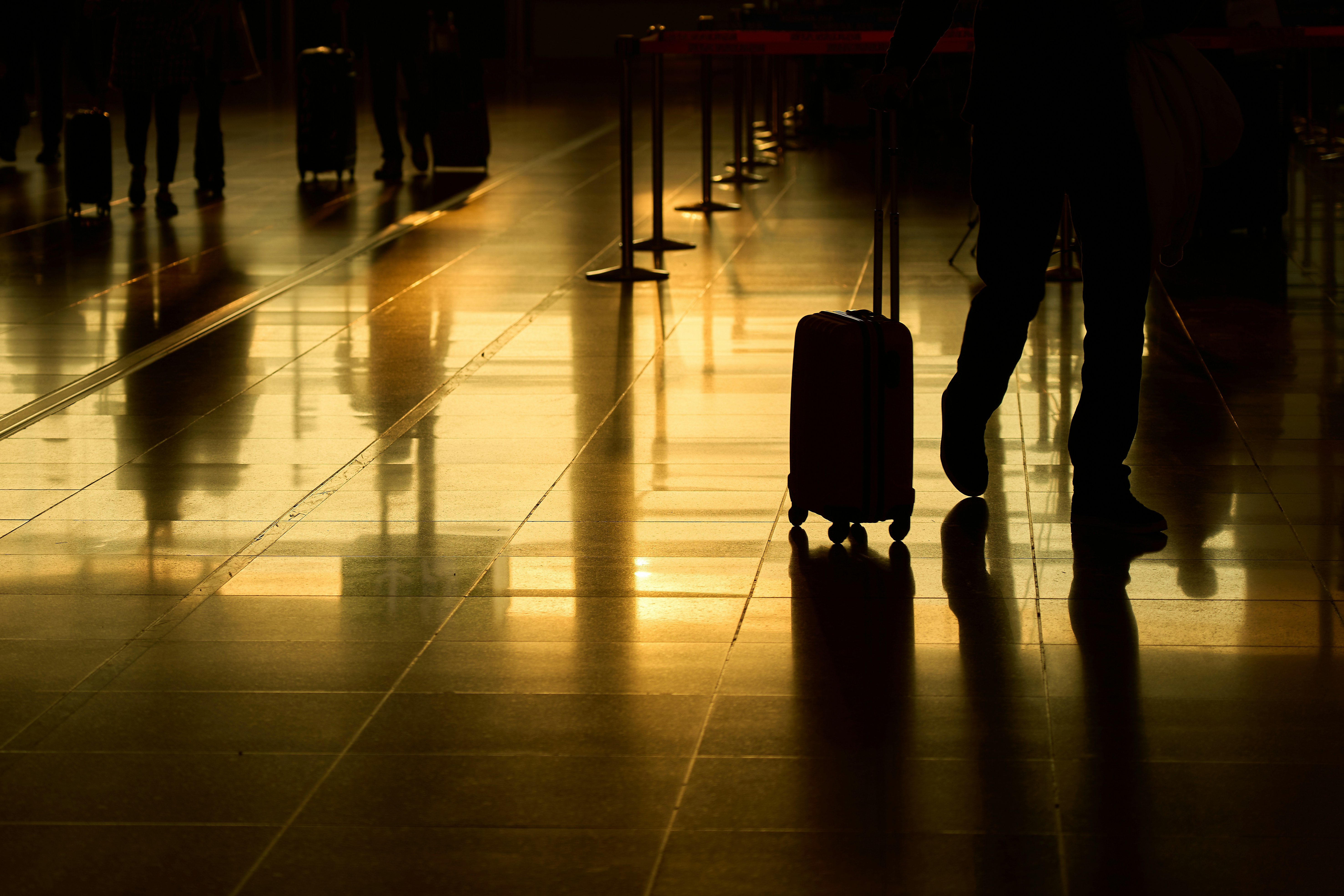
Cabin baggage is the bag you carry inside the aircraft. Most international airlines allow one cabin bag and one personal item such as a laptop bag or handbag. The weight limit usually ranges between 7 kg to 10 kg, depending on the airline. Size restrictions are strictly enforced, especially at international airports.
Checked Baggage
Checked baggage is the luggage handed over during check-in. The allowed weight depends on the airline and ticket fare. International baggage allowance usually follows either the piece concept or the weight concept.
Personal Items
Items like laptops, duty-free bags, baby food, or medical equipment may be allowed in addition to cabin baggage, subject to airline policy.
International Baggage Allowance Concepts Explained
Piece Concept
Under the piece concept, airlines allow a fixed number of bags, each with a maximum weight limit. Commonly, passengers are allowed one or two checked bags, each weighing up to 23 kg for economy class. Business and first-class passengers usually receive higher allowances.
Weight Concept
Under this system, passengers are allowed a total weight limit, usually between 20 kg to 30 kg, regardless of the number of bags. This concept is common on routes to Asia, the Middle East, and Africa.
Baggage Allowance Based on Travel Class
Economy class passengers typically receive the lowest baggage allowance, while business and first class travelers enjoy higher limits. Premium economy often falls in between. Frequent flyer status can also increase baggage allowance on international flights.
Airline-Specific Baggage Policies
Every airline has its own baggage policy. Factors affecting baggage allowance include the airline, destination country, ticket type, and fare category. Budget airlines may offer lower baggage limits or charge separately for checked baggage. When booking through SortMyTrip, travelers receive clear baggage details upfront to avoid confusion.
Excess Baggage Charges for International Flights
If your luggage exceeds the allowed weight or number of bags, airlines charge excess baggage fees, which can be expensive at international airports. Charges may apply per extra kilogram or per additional bag. Pre-purchasing extra baggage online is usually cheaper than paying at the airport.
Carry-On Baggage Rules and Restrictions
International airlines strictly regulate cabin baggage. Sharp objects, liquids above allowed limits, flammable items, and power banks beyond specified capacity may be restricted. Liquids should be packed according to airport security guidelines, usually in small containers within a transparent pouch.
Special Baggage Allowance
Certain items receive special consideration on international flights.
Musical instruments, sports equipment, baby strollers, and medical devices may be allowed either as cabin baggage or checked baggage depending on size and weight. Advance intimation to the airline is recommended.
Tips to Manage International Baggage Smartly
Pack only essentials and avoid unnecessary items. Use luggage scales to check weight before departure. Distribute weight evenly between bags. Always label your luggage clearly and keep valuables in your cabin bag. Travelers booking with SortMyTrip receive personalized baggage guidance based on airline and destination.
Why Knowing Baggage Allowance Matters When Traveling with SortMyTrip
SortMyTrip ensures travelers are well-informed about international baggage allowance, airline policies, and excess baggage rules before departure. Proper planning helps avoid last-minute surprises and ensures a smooth airport experience.
Frequently Asked Questions About International Baggage Allowance
Q1. How much baggage is allowed on international flights?
Baggage allowance varies by airline, route, and ticket type. Economy class typically allows one or two checked bags of up to 23 kg each.
Q2. Can baggage allowance differ for return flights?
Yes, baggage rules can differ depending on the operating airline and route for each leg of the journey.
Q3. Are cabin baggage rules strict on international flights?
Yes, international airlines strictly enforce cabin baggage weight and size limits.
Q4. What happens if my baggage exceeds the allowed limit?
Passengers must pay excess baggage charges, which can be costly at international airports.
Q5. Do children and infants get baggage allowance on international flights?
Yes, infants and children usually receive a baggage allowance, though it may differ from adult passengers.
Final Thoughts
Knowing the baggage allowance for international flights helps travelers avoid unnecessary costs and ensures a stress-free journey. With expert support and clear guidance from SortMyTrip, travelers can plan their packing efficiently and travel with confidence, knowing exactly what to expect at the airport.