.png)
Perched high in the mist-shrouded peaks of the Eastern Himalayas, Tawang is a land where ancient spirituality meets raw, untouched nature. Located in the northwestern corner of Arunachal Pradesh, this hidden gem sits at an elevation of approximately 10000 feet. It is a destination that rewards travelers with dramatic mountain passes, thunderous waterfalls, and a profound sense of peace found within its centuries-old Buddhist monasteries.
Planning a trip to this high-altitude paradise requires careful preparation, from navigating winding mountain roads to securing mandatory government permits. This ultimate travel guide walks you through everything you need to know to execute a seamless, unforgettable journey to Tawang.
Navigating the Permits and Logistics
Before packing your bags for the mountains, understanding the entry requirements is essential. Because of its strategic border location, all visitors require special permission to enter Arunachal Pradesh.
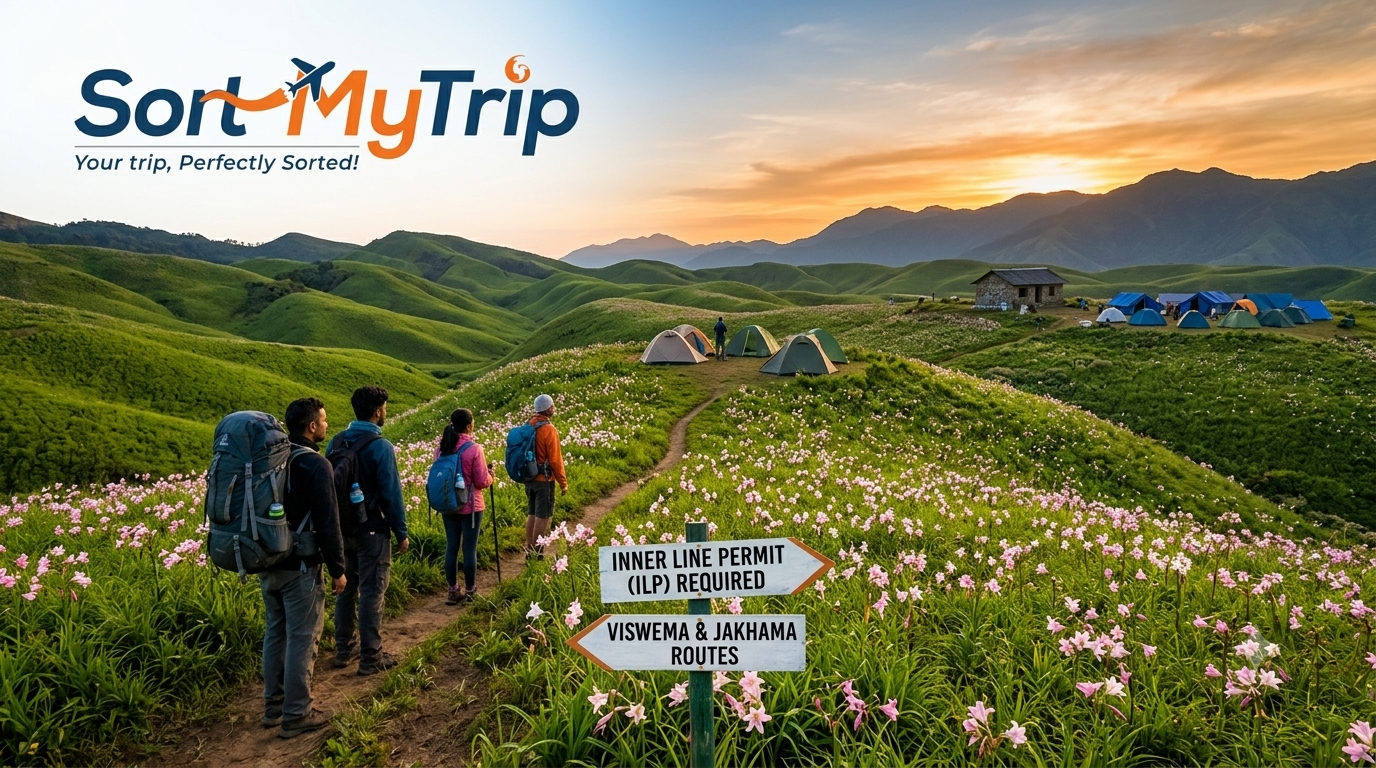
Indian citizens must obtain an Inner Line Permit or ILP. You can easily apply for this online or secure it upon arrival at the entry check gates, such as the Bhalukpong border. You will need basic identification documents like an Aadhaar Card or Passport along with passport-sized photographs.
International travelers require a Protected Area Permit or PAP. These are typically granted to groups of two or more people and must be arranged through registered travel operators. It is always wise to carry multiple printed physical copies of your permits, as local authorities will verify them at various high-altitude checkpoints along the route.
The Epic Journey via the Sela Pass Route
The road to Tawang is not just a transit route; it is an adventure that forms the core of the entire travel experience. Most travelers begin their journey from Guwahati in Assam, gradually ascending through the changing landscapes of western Arunachal Pradesh.
Breaking the Journey at Dirang and Bomdila
Driving directly from the plains to 10000 feet can cause severe acute mountain sickness or AMS. To acclimatize safely, a multi-day approach is highly recommended.
The first major transition point is Bomdila, sitting at 7900 feet, offering panoramic views of snow-capped peaks and lush valley forests. From Bomdila, the route descends slightly into the picturesque Dirang Valley at 4900 feet. Dirang serves as an ideal night stop. The air here is crisp, the climate is mild, and the valley is filled with scenic kiwi plantations, apple orchards, and the relaxing Dirang Hot Springs.
Crossing the Mighty Sela Pass
Leaving Dirang early in the morning marks the beginning of the steep, dramatic climb toward Sela Pass. Standing at an incredible altitude of 13700 feet, Sela Pass is the high-altitude gateway to the Tawang Valley.
The pass is surrounded by sparse alpine vegetation and is frequently dusted with heavy snow, even during the shoulder seasons. Right at the top sits Sela Lake, a pristine glacial body of water also known as Paradise Lake. During the deep winter months, the lake freezes completely into a solid sheet of ice, reflecting the stark, towering mountains around it. The air at this altitude is thin, so keep your stops brief, walk slowly, and sip warm water to help your body adapt.
Paying Homage at Jaswant Garh War Memorial
A short drive down from the Sela Pass ridge brings you to Jaswant Garh. This deeply moving site is a shrine dedicated to Rifleman Jaswant Singh Rawat of the 4th Garhwal Rifles. He bravely held off invading forces single-handedly for 72 hours during the 1962 Sino-Indian War. The memorial is lovingly maintained by the Indian Army, who serve free warm tea and snacks to passing travelers. It is a mandatory stop to honor incredible bravery and stretch your legs before the final push to town.
Discovering the Monasteries of Tawang
Tawang is the spiritual heartland of the Monpa people, who practice Mahayana Buddhism. The entire valley is dotted with colorful prayer flags, spinning wheels, and ancient structures that radiate tranquility.
The Grand Tawang Monastery
Dominating the valley’s skyline like a medieval fortress is the majestic Gaden Namgyal Lhatse, popularly known as the Tawang Monastery. Built in 1680-1681 by Merak Lama Lodre Gyatso at the wishes of the 5th Dalai Lama, it stands as the largest monastery in India and the second-largest in the entire world.
Perched at 10000 feet, this massive complex houses over 300 young and senior monks. Stepping inside the grand three-story assembly hall, known as the Dukhang, you are greeted by an awe-inspiring 26-foot-high gilded statue of Lord Buddha. The walls are adorned with intricate thangkas (traditional hand-painted Buddhist scrolls) and vibrant mandalas.
The monastery also features a priceless library containing ancient scriptures, hand-printed religious texts, and gold-lettered manuscripts. To experience the monastery at its most magical, arrive around 6:00 AM to witness the morning prayers, where the deep resonance of monks chanting and sounding traditional horns echoes through the mountain air.
Exploring Urgelling and Khinmey Monasteries
Beyond the main complex, the valley holds deeper spiritual treasures. Urgelling Monastery, located just a few kilometers outside the main town, is a modest but profoundly significant site. Built in the 15th century, it is the birthplace of Tsangyang Gyatso, the 6th Dalai Lama. The courtyard features a sacred, ancient banyan tree believed to have sprouted from a walking stick planted by the young Dalai Lama himself.
For a look into the older, esoteric traditions of Tibetan Buddhism, visit the Khinmey Monastery. Belonging to the Nyingma or Nyingmapa sect, this beautifully reconstructed monastery is famous for its vibrant, dramatic murals depicting protective deities and its peaceful, uncrowded mountain surroundings.
Chasing the Waterfalls and High-Altitude Lakes
The terrain surrounding Tawang is shaped by severe glacial activity, creating dramatic cliffs, deep gorges, and spectacular water features.
The Roar of Nuranang Falls
Located near the small town of Jang, roughly 40 kilometers before reaching Tawang, lies the spectacular Nuranang Falls. Also known as the Jang Falls, this breathtaking white water torrent drops nearly 100 meters down a sheer rock face.
The volume of water rushing down from the high alpine lakes above is so immense that it generates electricity for the nearby villages through a small hydro plant at its base. A short walking path leads you close to the plunge pool, where the thunderous roar and cold, refreshing mountain mist instantly rejuvenate tired travelers.
Journey to Madhuri Lake and Bum La Pass
For those seeking ultimate high-altitude adventure, a day trip toward the northern border is essential. This route requires a separate local vehicle and an additional military permit, easily arranged through local operators in town.
Your first stop is Shonga-tser Lake, universally known as Madhuri Lake. This unique water body was formed in 1950 when a massive earthquake caused a landslide that flooded a nearby forest. Today, stark, dead tree trunks still emerge from the crystal-clear waters, creating a beautiful, surreal landscape. The lake earned its popular nickname after Bollywood actress Madhuri Dixit filmed scenes here for the movie Koyla.
Continuing past pristine glacial waters like Pankang Teng Tso or PT Tso Lake, the road climbs aggressively to the icy heights of Bum La Pass at 15200 feet. Marking the official Indo-China border, this pass offers a profound look into the harsh, freezing realities of high-altitude border security. Visitors are warmly briefed by Indian Army personnel about the history of the region while looking out over the desolate, snow-swept Tibetan plateau beyond.
Essential Travel Tips for Your Mountain Adventure
A journey into the high Himalayas requires smart planning. Keep these practical tips in mind to ensure a safe and smooth expedition:
-
Best Time to Visit: March to May brings pleasant weather and beautiful blooming rhododendrons. October to November offers exceptionally clear blue skies and crisp mountain views. December to February is ideal for dedicated snow lovers, though heavy winter blizzards can temporarily block the high passes.
-
Packing Essentials: Layering is critical. Pack thermal innerwear, windproof heavy jackets, sturdy walking shoes, gloves, and polarized sunglasses to protect against intense high-altitude snow glare.
-
Health and Medication: Carry standard motion sickness tablets for the hundreds of mountain hairpin bends. Keep basic medications for altitude adaptation, along with plenty of snacks and flasks for warm water.
-
Mobile Connectivity: BSNL and Jio offer the most reliable networks in Tawang town, though data speeds drop significantly or disappear entirely once you head out toward Sela Pass or Bum La.
Plan Your Perfect Adventure With SortMyTrip
Crafting a comprehensive itinerary through the rugged terrain of Arunachal Pradesh can feel overwhelming. Balancing permit applications, cross-border vehicle regulations, seasonal mountain weather, and finding reliable local stays requires expert ground knowledge.
That is exactly where SortMyTrip comes in. As your trusted travel partner, SortMyTrip takes the stress completely out of your hands. We specialize in curating smooth, tailor-made Himalayan road trips. From securing your Inner Line Permits seamlessly before you land to providing reliable, experienced mountain drivers and handpicked local homestays, we ensure your safety and comfort at every turn.
Let us handle the tricky logistics while you focus entirely on the majestic monasteries, roaring waterfalls, and breathtaking vistas of the Sela Pass route. Contact SortMyTrip today to customize your ultimate Northeast India package and turn your dream Tawang expedition into reality.