Glaw Lake in Arunachal Pradesh Makes History as India’s 101st Ramsar Site
Arunachal Pradesh has achieved a major milestone in wetland conservation.
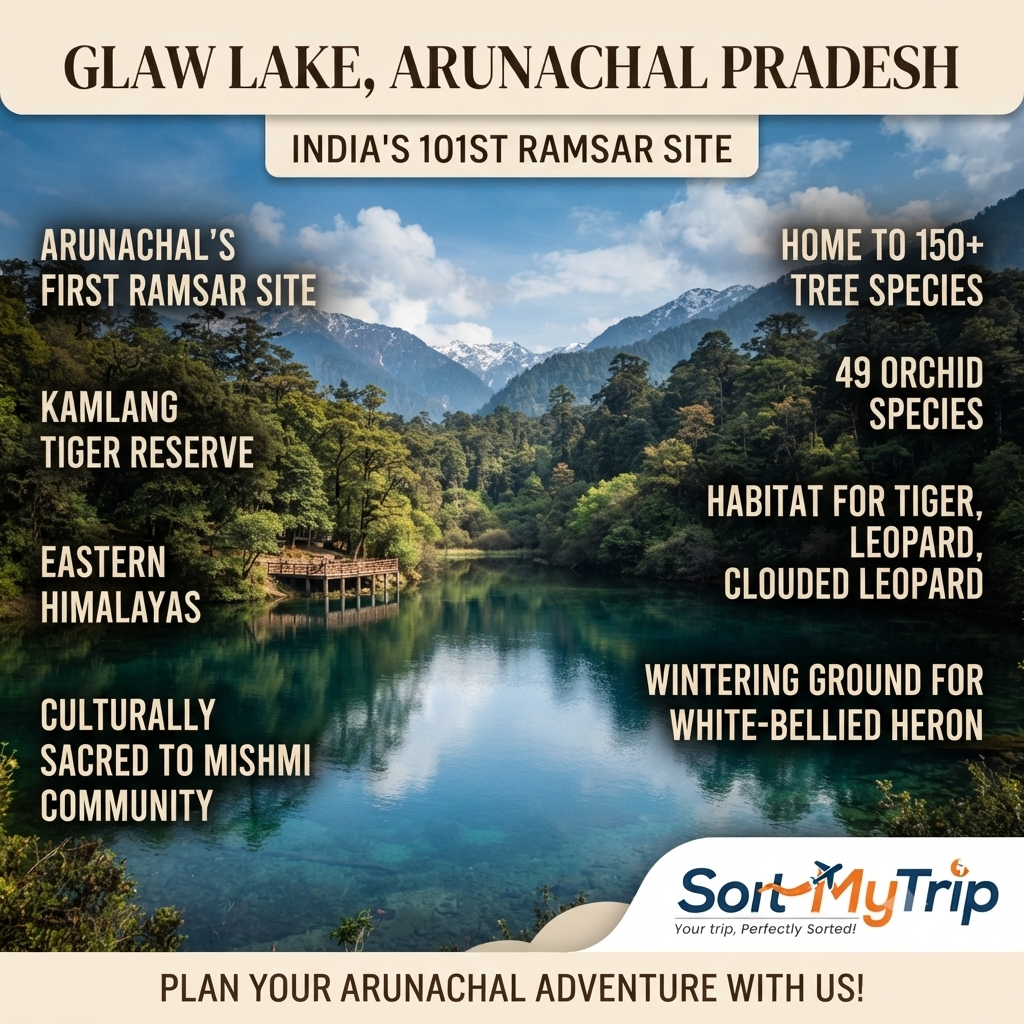
Glaw Lake, a pristine freshwater lake located in the Eastern Himalayas, has been officially designated as a Ramsar Site, making it the first Ramsar Site in Arunachal Pradesh and India’s 101st Ramsar Site.
The landmark announcement was made on 3 August 2026 by Union Environment, Forest and Climate Change Minister Bhupender Yadav. The recognition puts a global spotlight on one of Arunachal Pradesh’s lesser-known natural treasures and highlights the ecological importance of the state’s extraordinary Himalayan landscapes.
Where Is Glaw Lake?
Glaw Lake is located within the Kamlang Tiger Reserve and Wildlife Sanctuary in Arunachal Pradesh's Eastern Himalayas.
The lake is a freshwater ecosystem fed by perennial mountain streams and surrounded by dense, lush vegetation. Its location within a biodiversity-rich Himalayan landscape makes it an important habitat for plants, birds, reptiles, amphibians and other wildlife.
The lake and its surrounding landscape are also culturally significant to the local Mishmi community, who regard Glaw Lake as sacred.
Glaw Lake Becomes Arunachal Pradesh's First Ramsar Site
The most significant aspect of this announcement is that Glaw Lake is Arunachal Pradesh's first Ramsar Site.
With its designation, India's total number of Ramsar Sites has reached 101.
According to the Ministry of Environment, Forest and Climate Change, India's Ramsar network has expanded from 26 sites in 2014 to 101 sites in 2026, reflecting the country's growing focus on wetland conservation and sustainable management.
For Arunachal Pradesh, this is an important recognition of the state's unique wetland and forest ecosystems.
What Is a Ramsar Site?
A Ramsar Site is a wetland recognised as being of international importance under the Ramsar Convention, an international treaty adopted in 1971 for the conservation and wise use of wetlands.
Being designated a Ramsar Site recognises the ecological importance of a wetland and encourages its long-term protection, sustainable management and conservation.
For Glaw Lake, the designation provides greater international recognition for an ecosystem that is already important for biodiversity, water security and local communities.
Why Is Glaw Lake Ecologically Important?
Glaw Lake isn't just a beautiful Himalayan lake. It is part of a much larger ecosystem supporting remarkable biodiversity.
150+ Tree Species
More than 150 tree species have been recorded within the Ramsar Site and its catchment.
This highlights the extraordinary plant diversity surrounding the lake.
49 Orchid Species
The site and its catchment are home to 49 recorded orchid species, adding to the botanical importance of the region.
Habitat for Rare Wildlife
The wider Kamlang landscape supports four species of big cats:
Tiger
Leopard
Clouded leopard
Snow leopard
The wetland also provides habitat and wintering grounds for water-dependent birds, including the critically endangered White-bellied Heron. More than 20 species of reptiles and amphibians are also associated with the wider ecosystem.
A Paradise for Nature and Adventure Lovers
Glaw Lake has long attracted hikers and nature enthusiasts looking for an offbeat Himalayan experience.
Its remote setting, forested surroundings and pristine freshwater ecosystem make it particularly interesting for travellers who prefer nature, wildlife and adventure over conventional tourist destinations.
The Ramsar designation could also bring greater attention to the area as a destination for responsible nature-based tourism.
However, increased tourism should go hand in hand with conservation. The ecological sensitivity of the area means visitors should follow local regulations and adopt responsible travel practices.
Glaw Lake and the Mishmi Community
The importance of Glaw Lake isn't limited to its biodiversity.
The lake is also a cultural asset for the local Mishmi community, which considers it sacred.
This connection between nature and local traditions makes Glaw Lake an excellent example of why conservation should involve local communities.
The Ramsar Convention notes that a site-specific restoration plan is being prepared, with emphasis on the participation of Mishmi communities in the protection and sustainable management of the wetland.
What Does Ramsar Status Mean for Glaw Lake?
The new designation can provide several important benefits.
Greater Conservation Focus
International recognition can strengthen attention towards protecting the lake and its surrounding ecosystem.
Biodiversity Protection
The Ramsar status highlights the importance of preserving the lake's plant and animal habitats.
Sustainable Tourism
With proper planning, the recognition could encourage responsible nature-based tourism while avoiding excessive pressure on the ecosystem.
Community Participation
Conservation planning can incorporate the knowledge, traditions and interests of local communities.
Global Recognition
Glaw Lake now joins an international network of wetlands considered important for ecological reasons.
Why Glaw Lake Is Important for Arunachal Pradesh Tourism
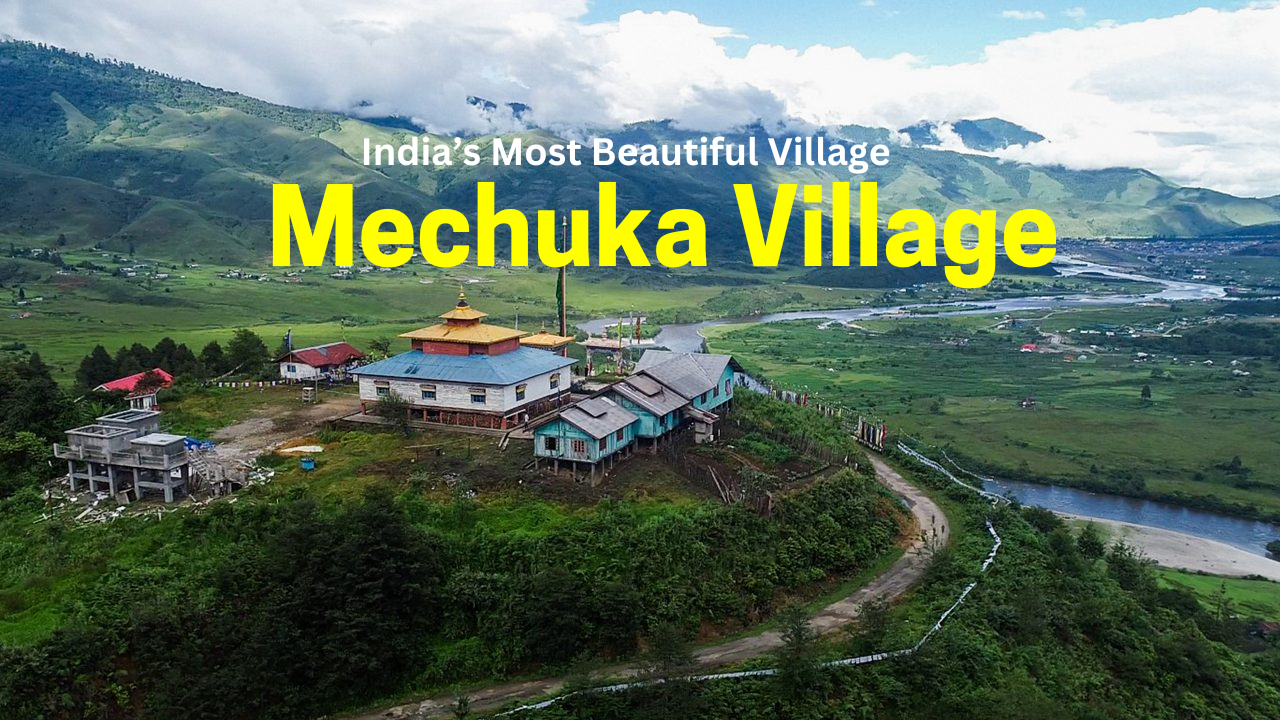
Arunachal Pradesh is already famous for destinations such as Tawang, Ziro, Bomdila, Dirang and Mechuka.
Glaw Lake adds another fascinating name to the state's growing list of nature destinations.
For travellers looking for something different, the lake represents the combination of:
Himalayan landscapes
Wildlife
Dense forests
Orchids and other flora
Hiking opportunities
Local culture
Wetland conservation
The Ramsar recognition is likely to increase awareness of this relatively lesser-known destination.
How to Visit Glaw Lake Responsibly
Glaw Lake is located in a sensitive ecological environment, so responsible tourism is essential.
If you plan to explore the region:
Respect Local Communities
Follow local customs and respect places considered sacred.
Avoid Plastic
Carry reusable bottles and bags and take all waste back with you.
Do Not Disturb Wildlife
Never chase, feed or attempt to photograph wildlife at close range.
Stay on Permitted Routes
Follow instructions from forest authorities and local guides.
Travel With Local Guidance
Given the remote Himalayan terrain and protected-area setting, local guidance can make the journey safer and more responsible.
Leave No Trace
The best souvenir from a pristine natural destination is the knowledge that you left it exactly as you found it.
Glaw Lake: A New Chapter for Arunachal Pradesh
The designation of Glaw Lake as India's 101st Ramsar Site is much more than another number on India's conservation list.
It represents international recognition of Arunachal Pradesh's remarkable natural heritage.
From its freshwater ecosystem and rich forests to its orchids, wildlife and cultural importance to the Mishmi community, Glaw Lake represents the extraordinary ecological wealth hidden within the Eastern Himalayas.
As awareness grows, the challenge will be to ensure that tourism and conservation develop together.
The future of Glaw Lake should not simply be about attracting more visitors. It should be about creating a model where nature, local communities and responsible tourism can thrive together.
Plan Your Arunachal Pradesh Adventure With SortMyTrip
Want to explore the untouched beauty of Arunachal Pradesh?
From the mountains of Tawang and the valleys of Ziro to offbeat Himalayan landscapes and wildlife experiences, Arunachal Pradesh offers countless opportunities for unforgettable journeys.
SortMyTrip can help you plan a customised Arunachal Pradesh holiday with hotels, transportation, sightseeing and local experiences.
Your Trip, Perfectly Sorted!
Frequently Asked Questions
Is Glaw Lake a Ramsar Site?
Yes. Glaw Lake was designated as a Ramsar Site in August 2026.
Which is the first Ramsar Site of Arunachal Pradesh?
Glaw Lake is the first Ramsar Site in Arunachal Pradesh.
What is India's 101st Ramsar Site?
Glaw Lake in Arunachal Pradesh became India's 101st Ramsar Site in August 2026.
Where is Glaw Lake located?
Glaw Lake is located within the Kamlang Tiger Reserve and Wildlife Sanctuary in the Eastern Himalayas of Arunachal Pradesh.
Why is Glaw Lake important?
Glaw Lake is important because of its freshwater ecosystem, rich biodiversity, forests, orchids, wildlife habitat and cultural significance to the local Mishmi community.
How many tree species are recorded around Glaw Lake?
More than 150 tree species have been recorded within the site and its catchment.
How many orchid species are found around Glaw Lake?
The site and its catchment have recorded 49 orchid species.