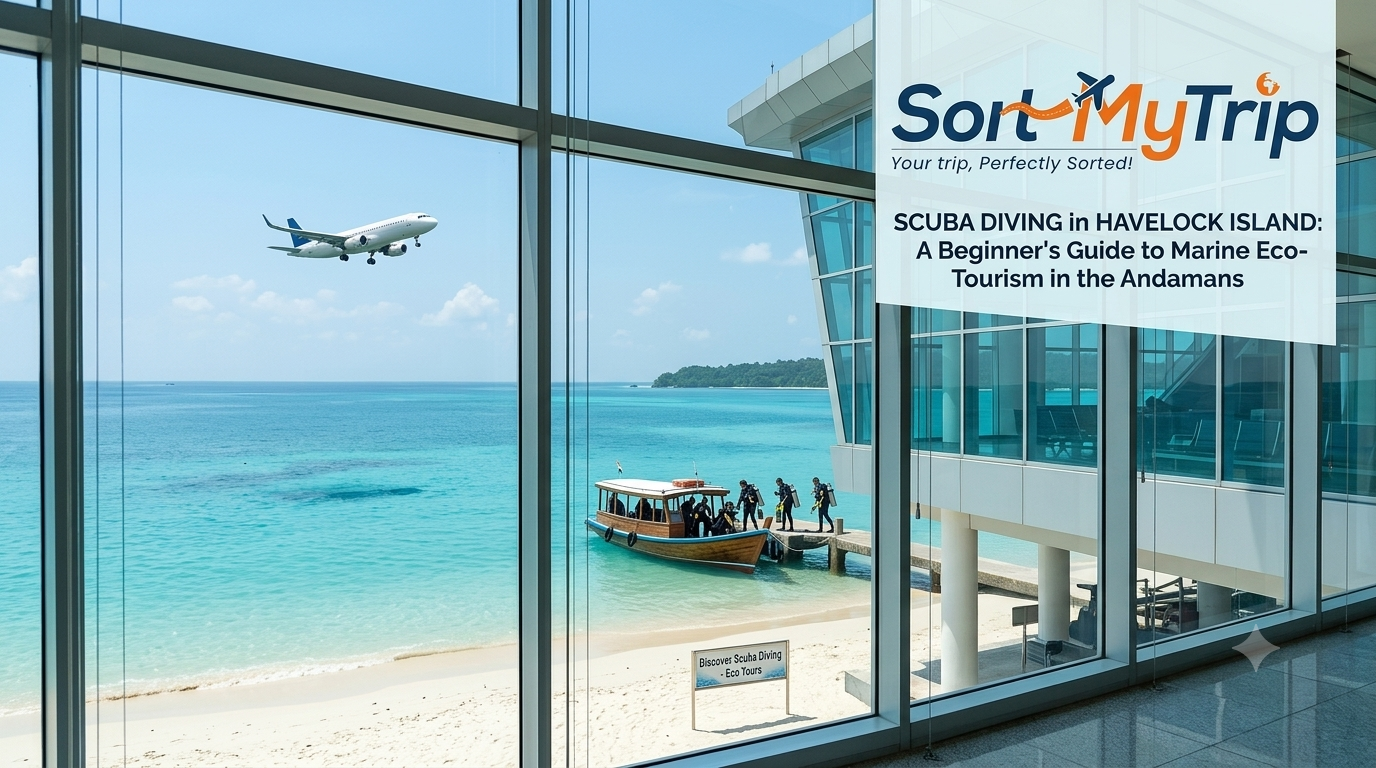
Scuba Diving in Havelock Island: A Beginner’s Guide to Marine Eco-Tourism in the Andamans
The Andaman and Nicobar Islands stand out as an untouched paradise in a fast-paced world. At the heart of this archipelago lies Havelock Island, officially known as Swaraj Dweep. Blessed with powdery white sands, dense tropical forests, and incredibly clear turquoise waters, it has become a global hotspot for adventure seekers.
Beyond the thrill of exploring the deep sea, Havelock Island is a shining example of marine eco-tourism. This article serves as your ultimate guide to discovering scuba diving on Havelock Island, exploring its vibrant marine ecosystems, and ensuring your underwater journey supports ocean conservation.
The Rise of Marine Eco-Tourism in Havelock Island
Eco-tourism balances travel exploration with the active preservation of natural habitats. In Havelock, marine eco-tourism focuses heavily on protecting the delicate fringing coral reefs that encircle the island. These reefs provide critical habitats for thousands of marine species, act as natural barriers against coastal erosion, and support local livelihood.
Over the past few decades, local communities, certified dive centers, and environmental agencies have joined forces to protect these underwater treasures.
Through strict responsible diving protocols, reef monitoring programs, and plastic-reduction initiatives, Havelock shows how tourism can actively support conservation. When you dive here, you are not just a spectator; you become part of an ongoing mission to safeguard our planet’s oceans.
Why Havelock Island is the Ultimate Choice for Beginners
If you have never breathed underwater before, Havelock Island is one of the best places in the world to start. Here is why first-time divers flock to this destination:
-
Exceptional Visibility: The waters around Havelock offer incredible clarity, often ranging between 15 to 30 meters. This excellent visibility eliminates the anxiety of diving in murky waters and gives you a clear look at the marine world.
-
Calm and Protected Waters: Popular beginner dive sites feature gentle currents and shallow sandy bottoms, providing a comfortable learning environment.
-
World-Class Instruction: The island is home to numerous highly rated PADI (Professional Association of Diving Instructors) and SSI (Scuba Schools International) dive centers. These centers adhere to strict international safety standards and employ experienced instructors who specialize in training anxious beginners.
-
Non-Swimmer Friendly Programs: A common misconception is that you need to be an expert swimmer to try scuba diving. The Discover Scuba Diving (DSD) program allows non-swimmers to safely explore the reef under the direct, one-on-one supervision of a certified instructor.
Top Beginner-Friendly Dive Sites in Havelock
Havelock Island features over 25 established dive sites, catering to everyone from absolute beginners to advanced deep-sea divers. For your very first underwater experience, these shallow coral gardens offer the perfect mix of safety and biodiversity:
Nemo Reef
Located near Govind Nagar Beach, Nemo Reef is the premier training site for beginners and non-swimmers. This shallow, sheltered bay features a gradual sandy slope flanked by vibrant coral outcroppings.
The depth ranges from 2 to 10 meters, making it incredibly safe and easy to navigate. True to its name, Nemo Reef is home to thriving colonies of anemonefish (clownfish), damselfish, butterflyfish, and sea anemones.
Tribe Gate
Tribe Gate is a small submerged reef surrounded by a flat sandy seabed, with depths averaging around 10 to 12 meters. It offers fantastic visibility and a high concentration of marine life.
Here, you can spot schools of fusiliers, surgeonfish, bannerfish, and occasional sea turtles resting near the coral base. The low currents make it an excellent choice for a relaxed first boat dive.
Aquarium
True to its name, this site resembles a massive, sunlit aquarium. Located a short boat ride from the main jetty, it features a fringing reef with depths between 10 and 14 meters.
The site is well-known for its predictable conditions and dense schools of colorful reef fish moving over hard brain corals and soft staghorn corals.
Lighthouse
While the deeper sections are reserved for night diving and advanced training, the shallower parts of the Lighthouse reef are ideal for beginners.
The site showcases a mix of massive hard coral formations and soft corals. It provides shelter for giant clams, parrotfish, lionfish, and occasional moray eels hiding within the rock crevices.
Step-by-Step Guide: What to Expect During Your First Dive
Walking into a dive center for the first time can feel overwhelming. Understanding the structure of a standard beginner program helps set your mind at ease. The standard Discover Scuba Diving (DSD) program generally spans 2 to 3 hours and follows a structured flow.
Phase 1: The Briefing and Theory
Your experience begins on land with a clear, interactive safety briefing led by your instructor. You will learn the core principles of scuba diving, including:
-
How the equipment works.
-
Essential underwater hand signals for clear communication.
-
Breathing techniques and vital pressure equalization methods for your ears.
-
Responsible reef interaction guidelines to ensure marine life stays protected.
Phase 2: Gear Fitting and Equipment Familiarization
Next, your instructor will help you suit up with professional, well-maintained scuba gear:
-
Wetsuit: Provides buoyancy protection and keeps you warm.
-
Mask and Snorkel: Ensures clear vision underwater.
-
Fins: Helps you glide through the water efficiently.
-
Buoyancy Control Device (BCD): A specialized vest that holds your scuba cylinder and regulates your depth.
-
Regulator: The mouthpiece that delivers a steady stream of air from your tank.
Phase 3: Shallow Water Skill Practice
Before heading out to the deep reef, you will spend 20 to 30 minutes in waist-deep water. This session helps you get comfortable breathing through the regulator and lets you practice a few basic safety skills. These include clearing water out of your mask and recovering your regulator mouthpiece.
Phase 4: The Open Water Dive
Once you feel confident, your instructor will guide you out toward the main reef. For shore dives at Nemo Reef, you will walk in gradually from the beach. For boat dives, you will enjoy a short, scenic cruise to the dive site before making a controlled entry into the water.
Throughout the entire 35 to 50-minute dive, your instructor stays right next to you, handling your buoyancy and equipment so you can focus entirely on the scenery. You will glide past sea fans, watch clownfish dart through anemones, and experience the weightless sensation of underwater exploration.
Eco-Friendly Diving: Rules for Responsible Underwater Exploration
To preserve Havelock's marine ecosystems, every diver must follow strict eco-friendly protocols. Marine life is incredibly fragile, and small careless actions can cause long-term reef damage. Keep these essential eco-rules in mind:
Maintain Proper Buoyancy and Body Awareness
Accidental kicks from fins cause significant damage to shallow reefs. Keep your arms tucked in, use gentle leg movements, and remain aware of your position relative to the coral. Never rest, sit, or stand on coral formations, as even hard corals are living animals covered by a delicate layer of tissue.
Look, Don't Touch
Never touch, poke, chase, or hold onto marine animals. Touching corals can introduce harmful bacteria or strip away their protective mucous layers, leaving them vulnerable to diseases and bleaching.
Interacting closely with marine life can also stress the animals, disrupting their natural feeding and mating patterns.
Choose Reef-Safe Sunscreen
Traditional sunscreens contain chemical ingredients like oxybenzone and octinoxate. When washed off into the sea, these chemicals can bleach coral reefs and damage marine development.
Always opt for certified reef-safe sunscreens that utilize non-nano zinc oxide or titanium dioxide, or wear a long-sleeved UV rash guard to protect your skin.
Say No to Plastic and Carry Your Trash
Havelock Island is dedicated to reducing single-use plastics. Always carry a reusable water bottle and ensure all personal trash is securely stowed away, preventing wind from blowing plastic wrappers off boats into the open sea.
Practical Information for Planning Your Havelock Dive Trip
To make the most of your adventure, it helps to align your travel plans with the island's seasonal patterns and operational guidelines.
Best Time to Visit Havelock Island for Diving
The ideal window for scuba diving in the Andaman Islands runs from October to May. During these months, the post-monsoon seas calm down, the skies stay clear, and underwater visibility reaches its peak.
The absolute best diving conditions occur between January and March. The monsoon season runs from June to September, bringing heavy rains, strong winds, and rough swells that frequently cause dive cancellations.
Diving Costs and Package Inclusions
Scuba diving rates on Havelock Island vary based on your chosen experience. A standard beginner Shore Dive at Nemo Reef generally costs between ₹3,500 and ₹5,000 per person.
If you prefer a Boat Dive to locations like Tribe Gate or Aquarium, prices range from ₹6,500 to ₹7,500 per person. These standard rates typically include:
-
Complete scuba equipment rental.
-
Personalized instruction from a PADI/SSI certified professional.
-
Boat transfers to the chosen dive site.
-
Complimentary underwater digital photos and videos to remember your experience.
Important Health and Safety Rules
-
The No-Fly Rule: This is a vital safety protocol for all divers. You must wait a minimum of 18 to 24 hours after your last scuba dive before boarding a flight. This buffer allows absorbed nitrogen to safely clear from your body, preventing decompression sickness. Keep this rule in mind when arranging your return flights from Port Blair.
-
Age Requirements: The minimum age for a beginner Discover Scuba Diving experience is 12 years old.
-
Medical Fitness: Participants must be in good physical health. If you have pre-existing medical conditions like asthma, heart complications, severe sinus issues, or high blood pressure, you will need to present a written medical fitness certificate from a physician before diving.
Beyond the Dive: Sustainable Activities in Havelock
While scuba diving is the main highlight, Havelock Island offers plenty of other low-impact, eco-friendly activities that showcase its natural beauty:
Explore Radhanagar Beach
Often ranked among the most beautiful beaches in Asia, Radhanagar Beach (Beach No. 7) features a wide curve of powdery white sand bordered by ancient mahua trees. It is an ideal spot for swimming, relaxing walks, and watching spectacular tropical sunsets.
Mangrove Kayaking at Swaraj Dweep
The island features intricate mangrove networks that play a vital role in protecting coastal land from erosion. Booking a guided day or night kayaking tour through these calm, winding waterways allows you to explore these unique ecosystems without disrupting local wildlife.
Trekking to Elephant Beach
Instead of taking a motorized speed boat, you can choose to reach Elephant Beach via a scenic 1.8-kilometer eco-trek. The trail winds through dense tropical canopies and mangrove forests, guided by local naturalists who share insights into the island's native plants and wildlife.
Plan Your Dream Andaman Adventure with SortMyTrip
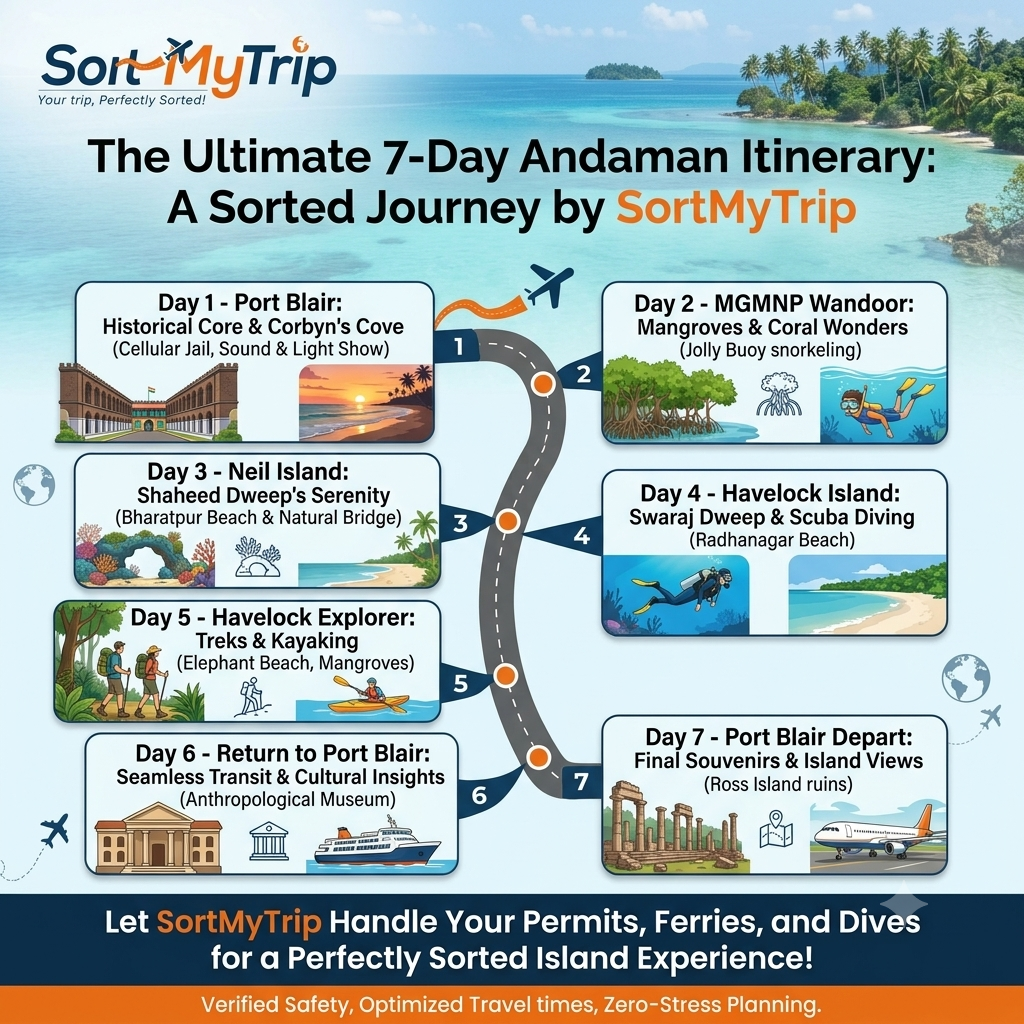
The underwater world of the Andaman Islands is waiting for you, and there is no better time to dive into this life-changing experience. Planning a trip to a remote archipelago involves managing several moving parts, from coordinating private island ferry timings to securing limited daily diving slots with verified, eco-conscious dive operators. That is where SortMyTrip comes in.
SortMyTrip specializes in crafting seamless, sustainable, and unforgettable travel itineraries tailored to your unique preferences. Whether you are a solo traveler looking to earn your international PADI Open Water certification, a couple searching for a romantic beachside getaway, or a family wanting to try their very first shore dive at Nemo Reef, SortMyTrip handles all the heavy lifting.
When you book your journey through SortMyTrip, you gain access to:
-
Handpicked, certified eco-friendly dive centers that prioritize safety and ocean conservation.
-
Pre-booked private ferry tickets between Port Blair, Havelock, and Neil Island to avoid long station queues.
-
Specially curated eco-tours, mangrove kayaking trips, and guided forest treks.
-
Transparent pricing with no hidden costs, backed by 24/7 localized support during your trip.
Let us turn your travel dreams into reality while supporting marine conservation efforts. Get in touch with the travel experts at SortMyTrip today to customize your beginner-friendly scuba diving package, and get ready to discover the magic of Havelock Island.